Enthusiast Showcase - Orange County 737 Sim
/
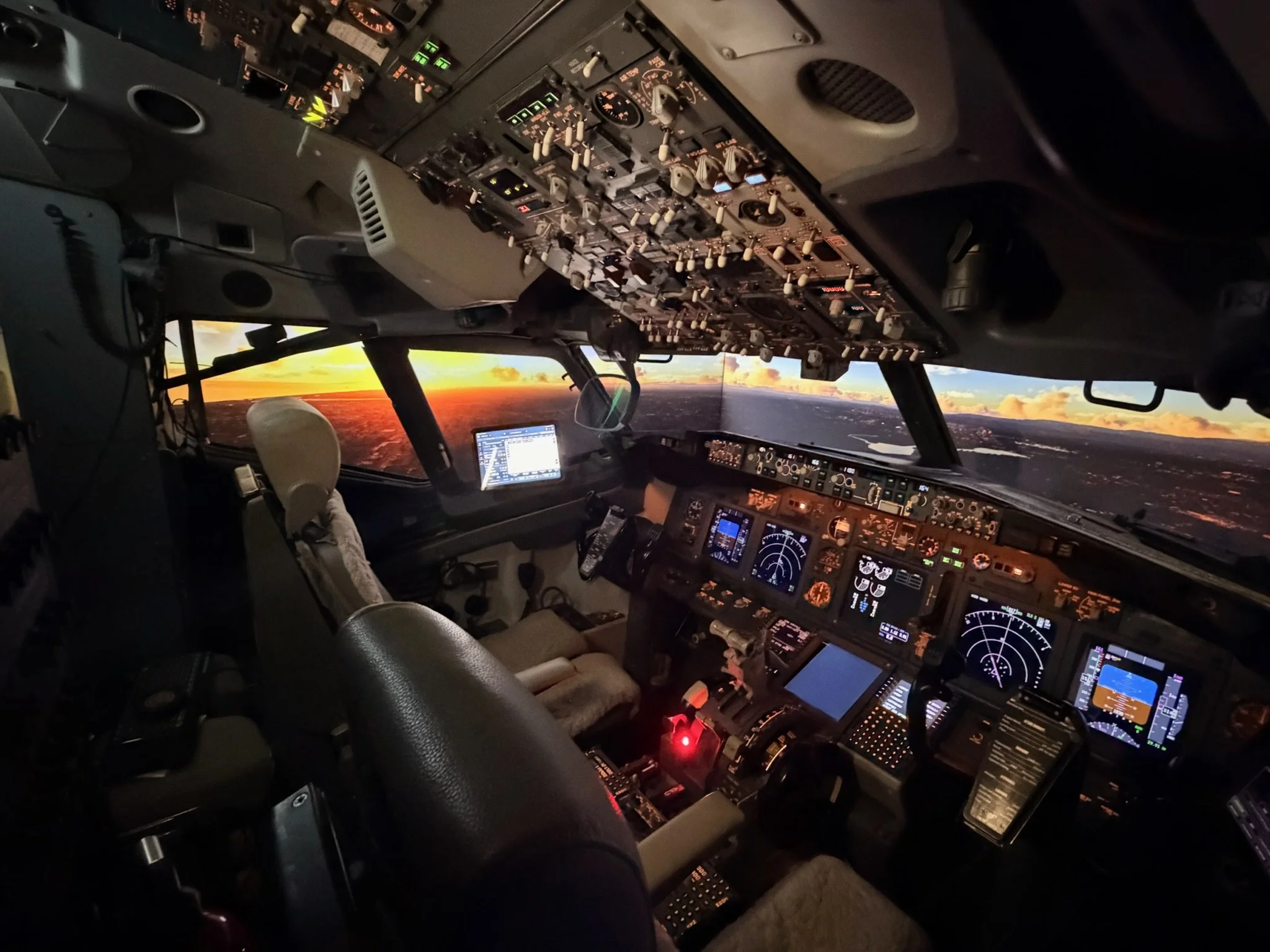
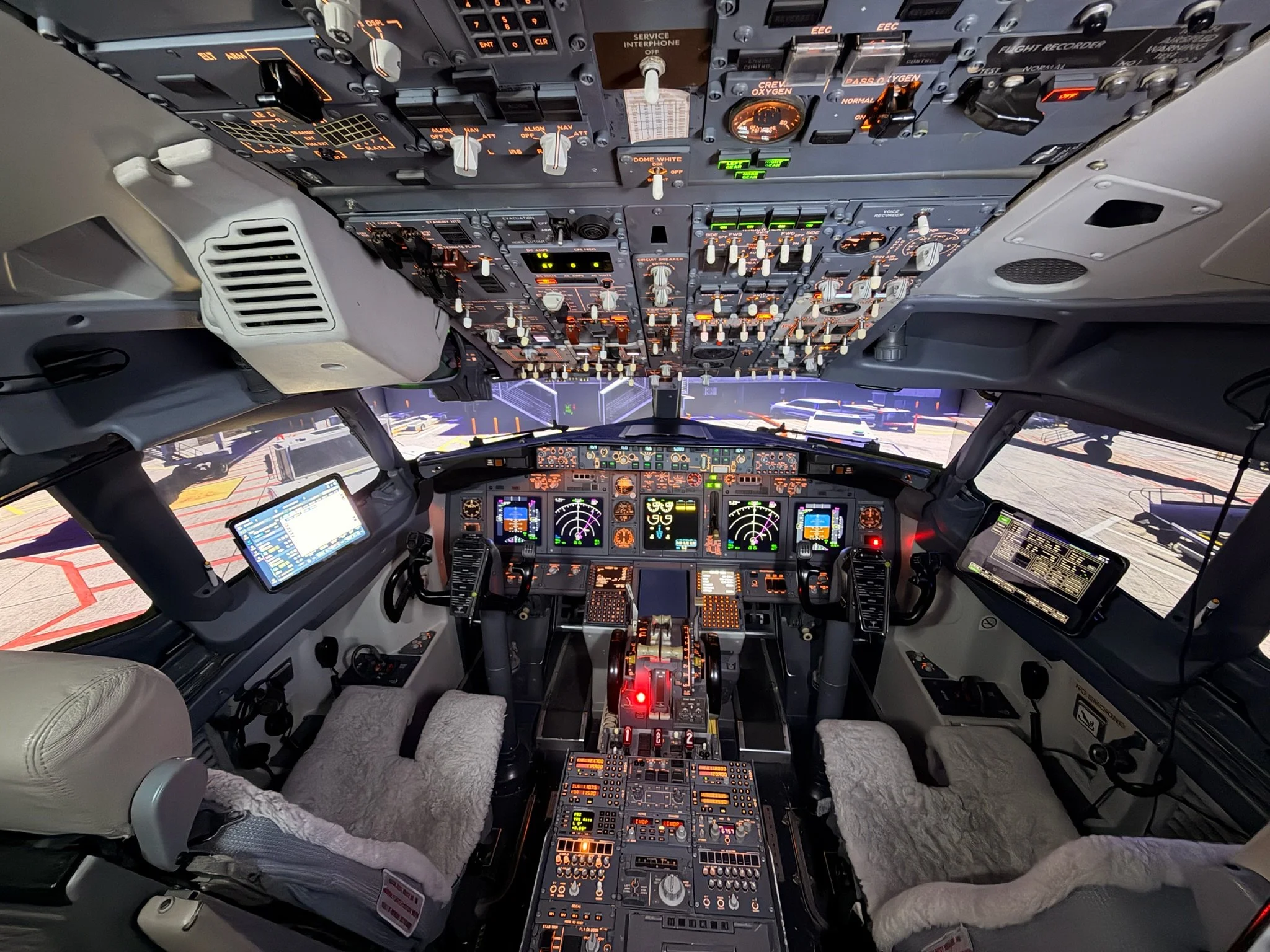
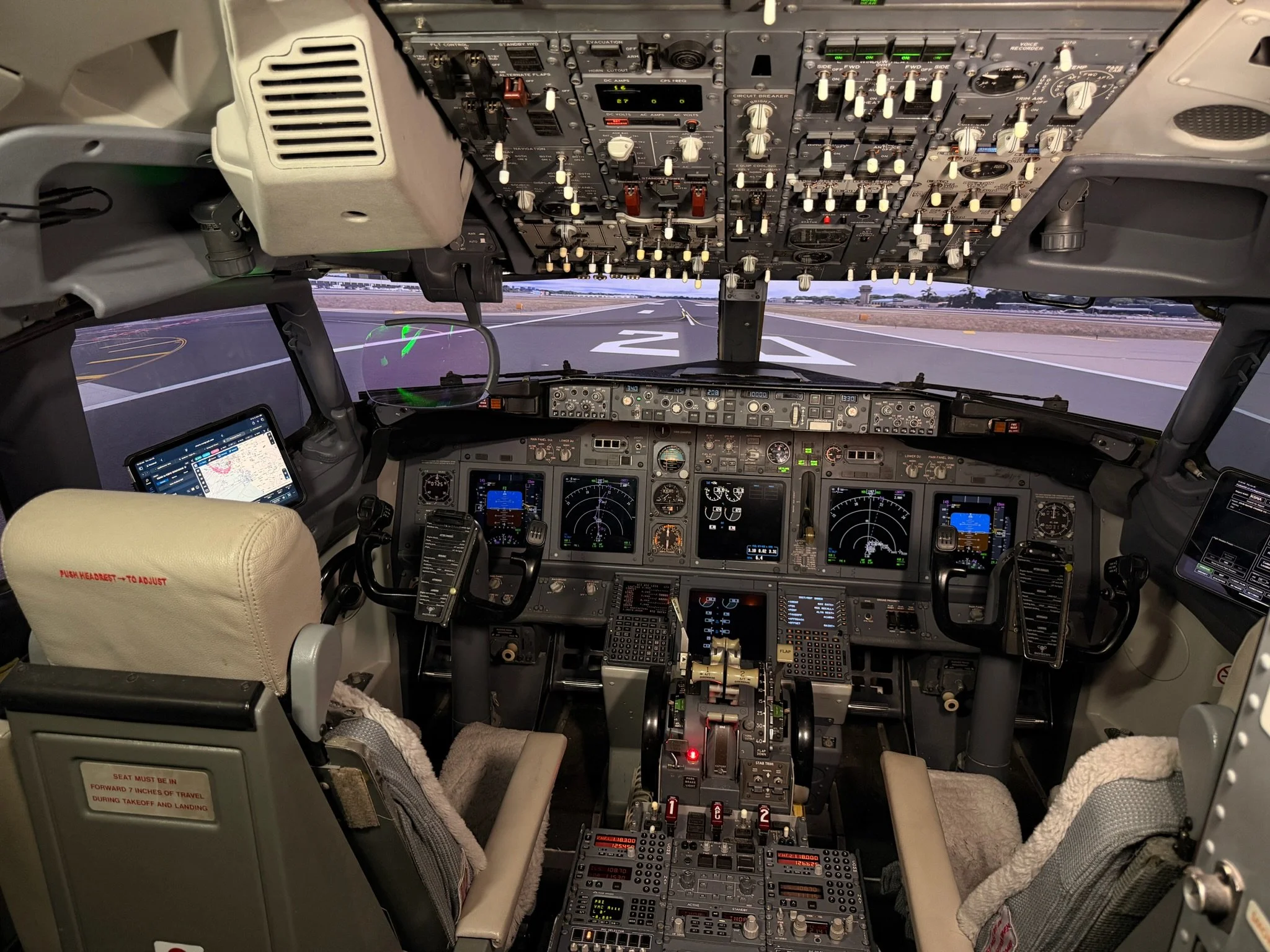
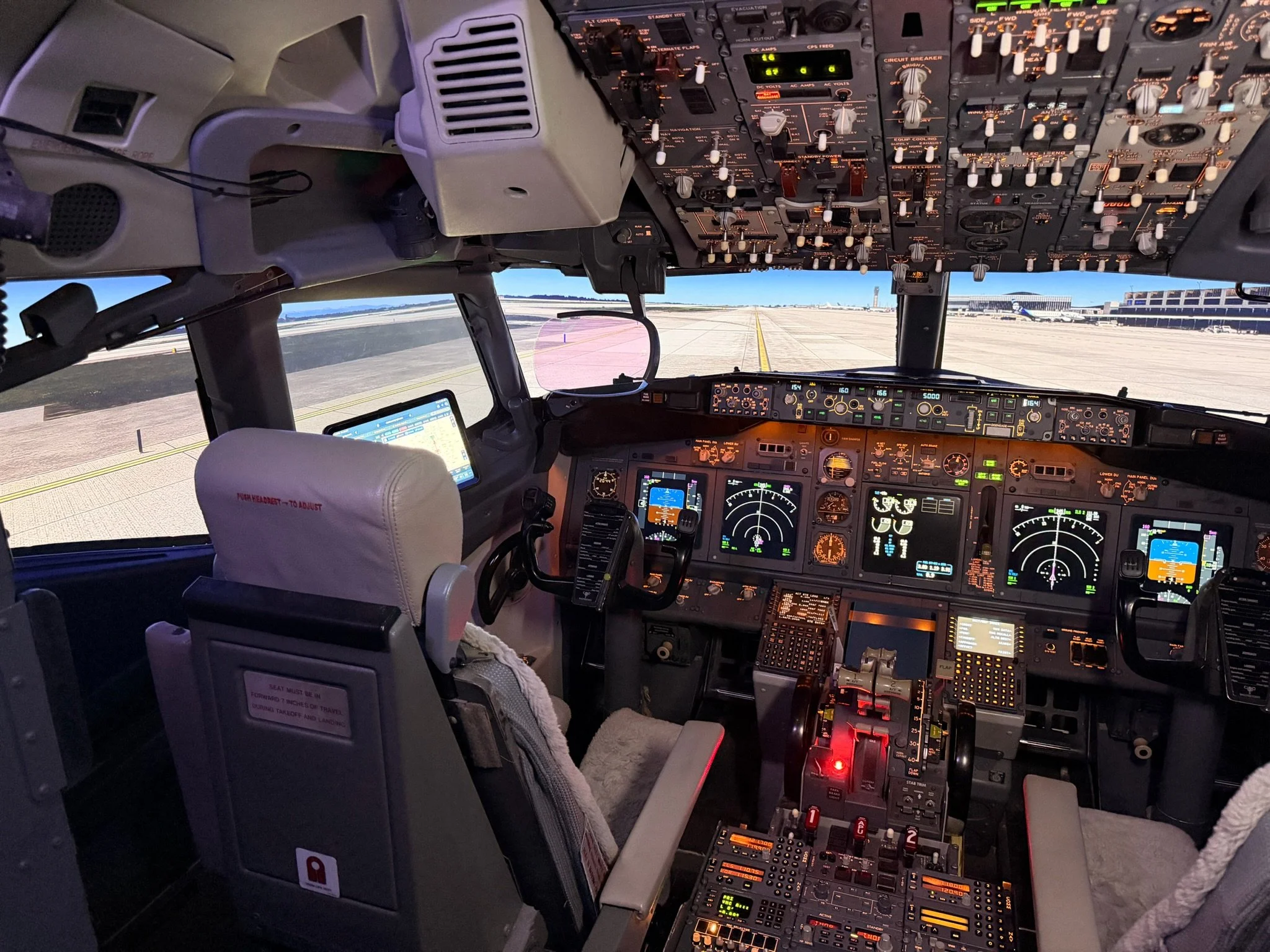
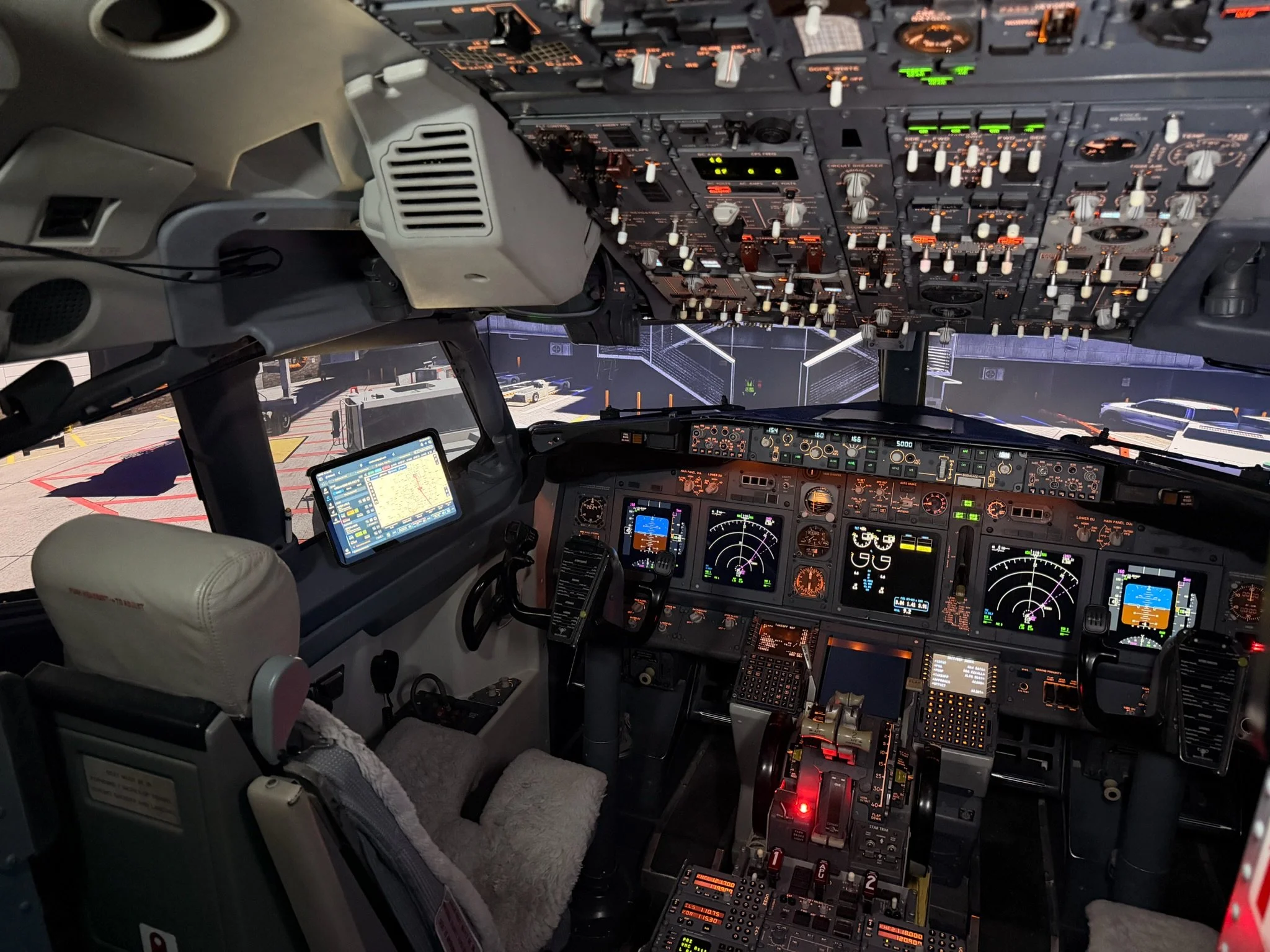
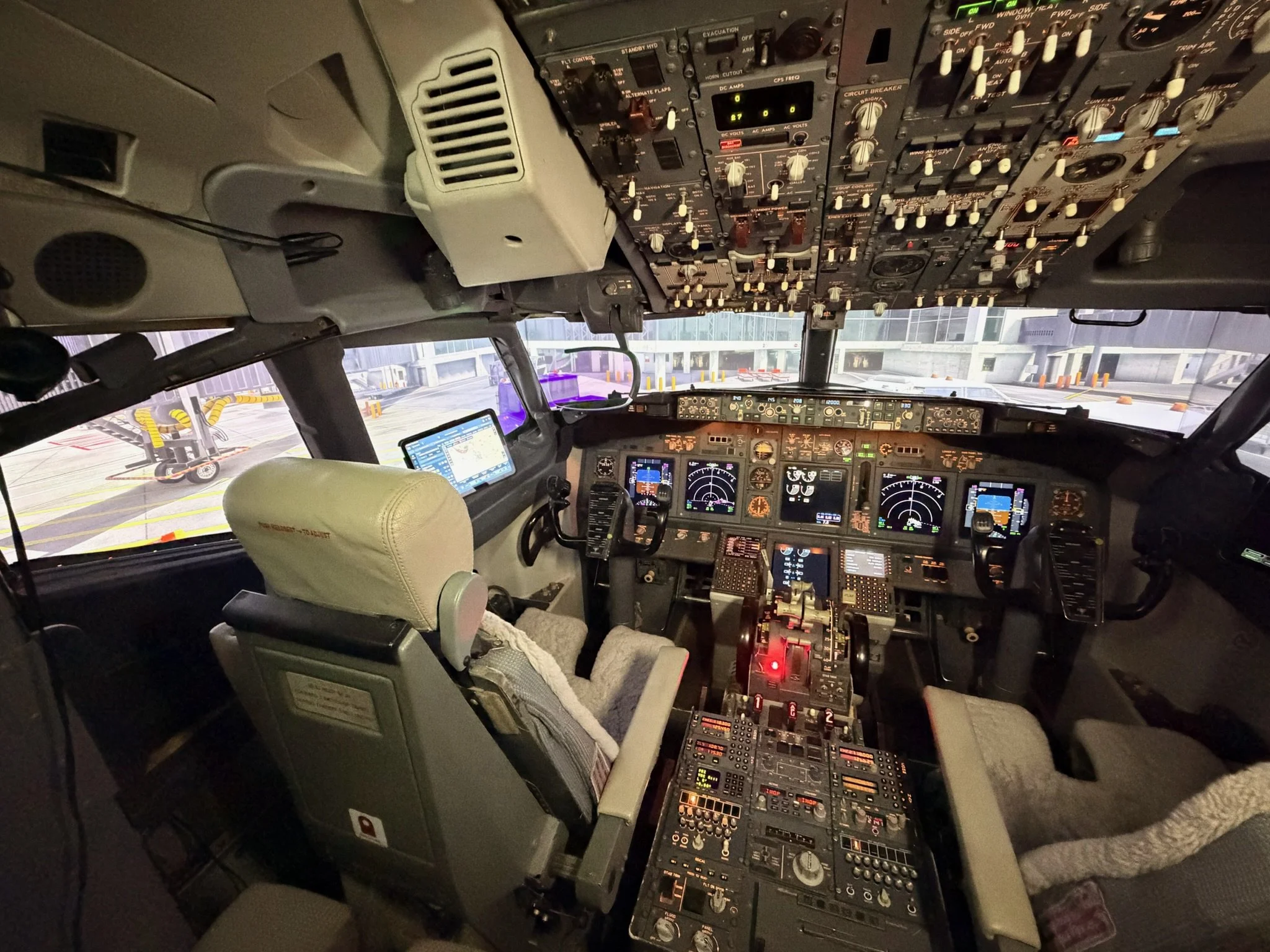
Periodically, I will showcase the work of other flight simulator enthusiasts. One of the most impressive setups I have come across is Orange County Sim in California.
Most 737 flight simulators in the hobbyist world are desktop‑based, typically built around the Microsoft Flight Simulator platform and enhanced with PMDG’s highly detailed aircraft models. Beyond these conventional setups lies a wide spectrum of home built simulators whose construction quality, functionality, and realism vary dramatically; some only loosely resemble the actual aircraft.
For many enthusiasts, the ultimate ambition is a high‑fidelity 737 replica enclosed within an airliner style cockpit shell. To support this goal, companies such as Flight Deck Solutions, CP Flight, and SimWorld offer dual‑seat training devices that can be purchased as complete units or integrated into full cockpit shells using purpose built liners.
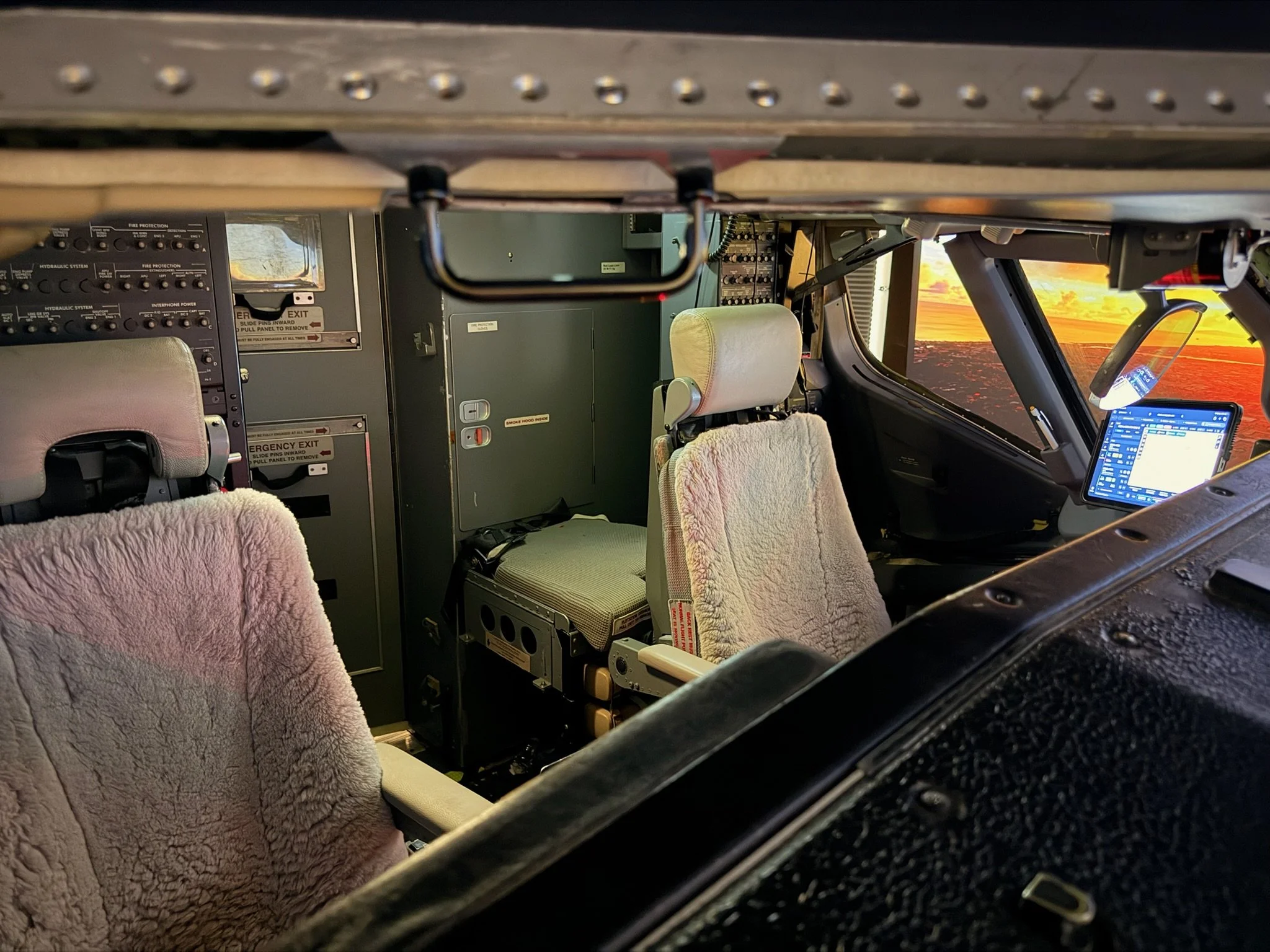
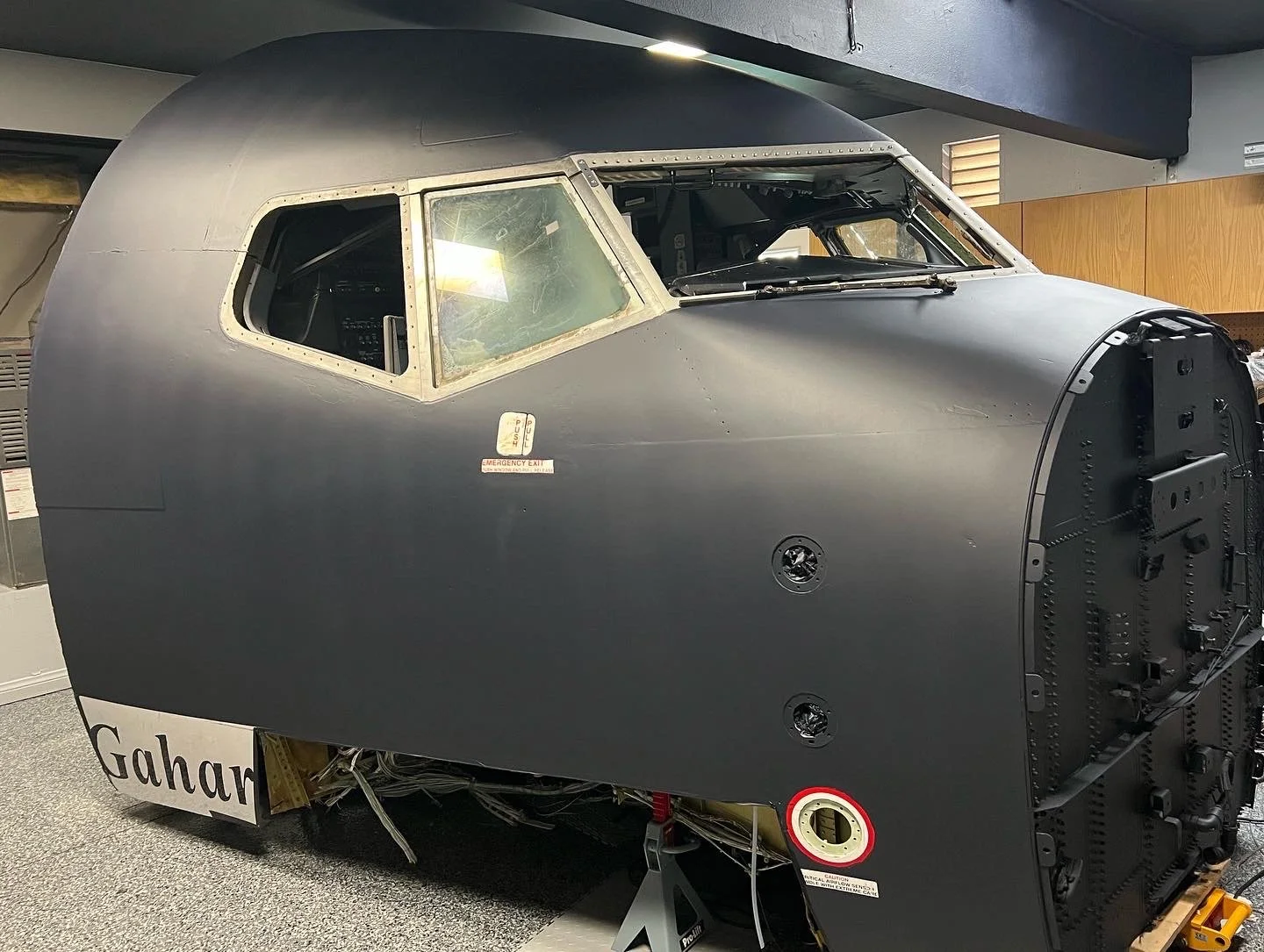
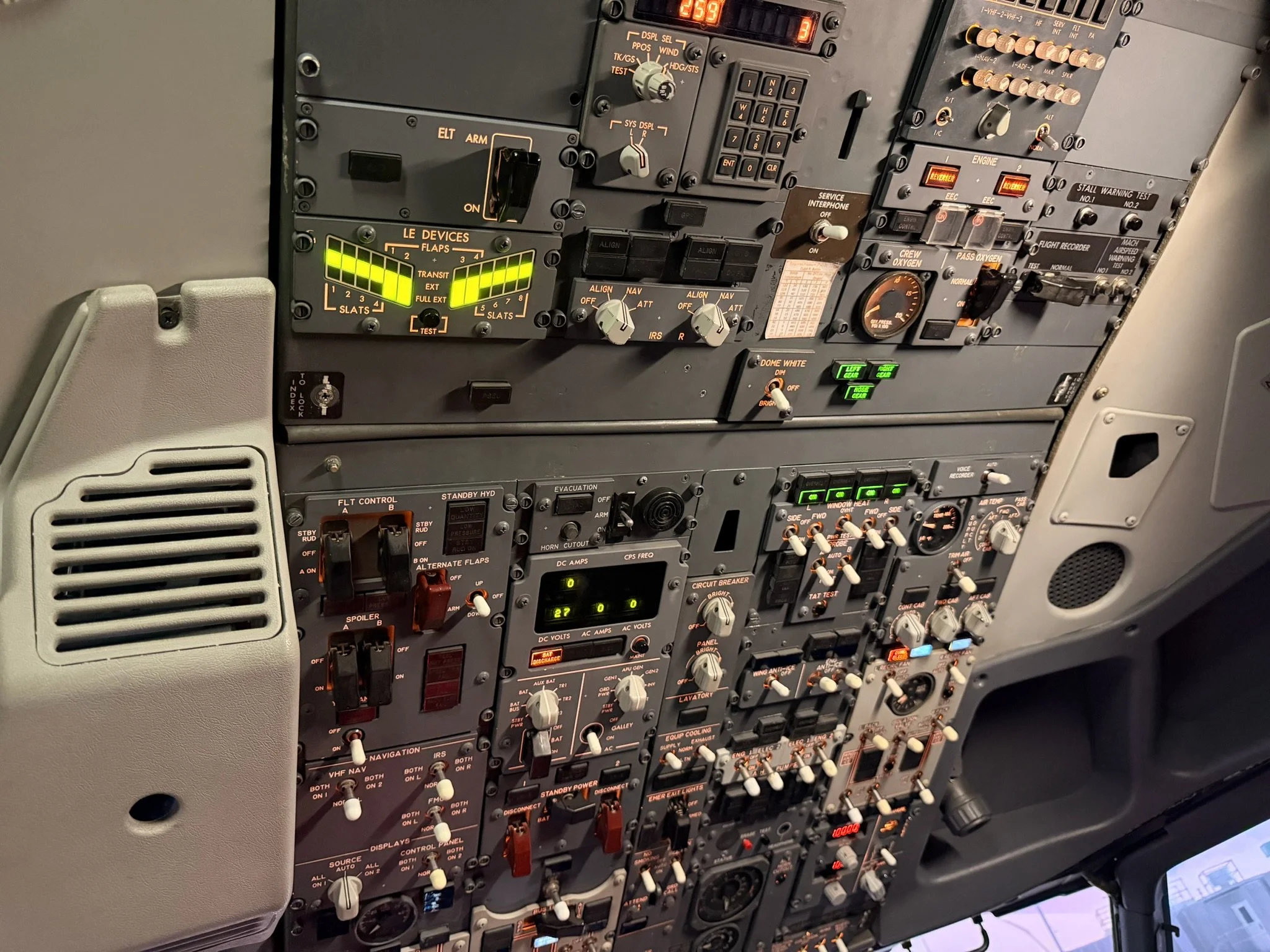
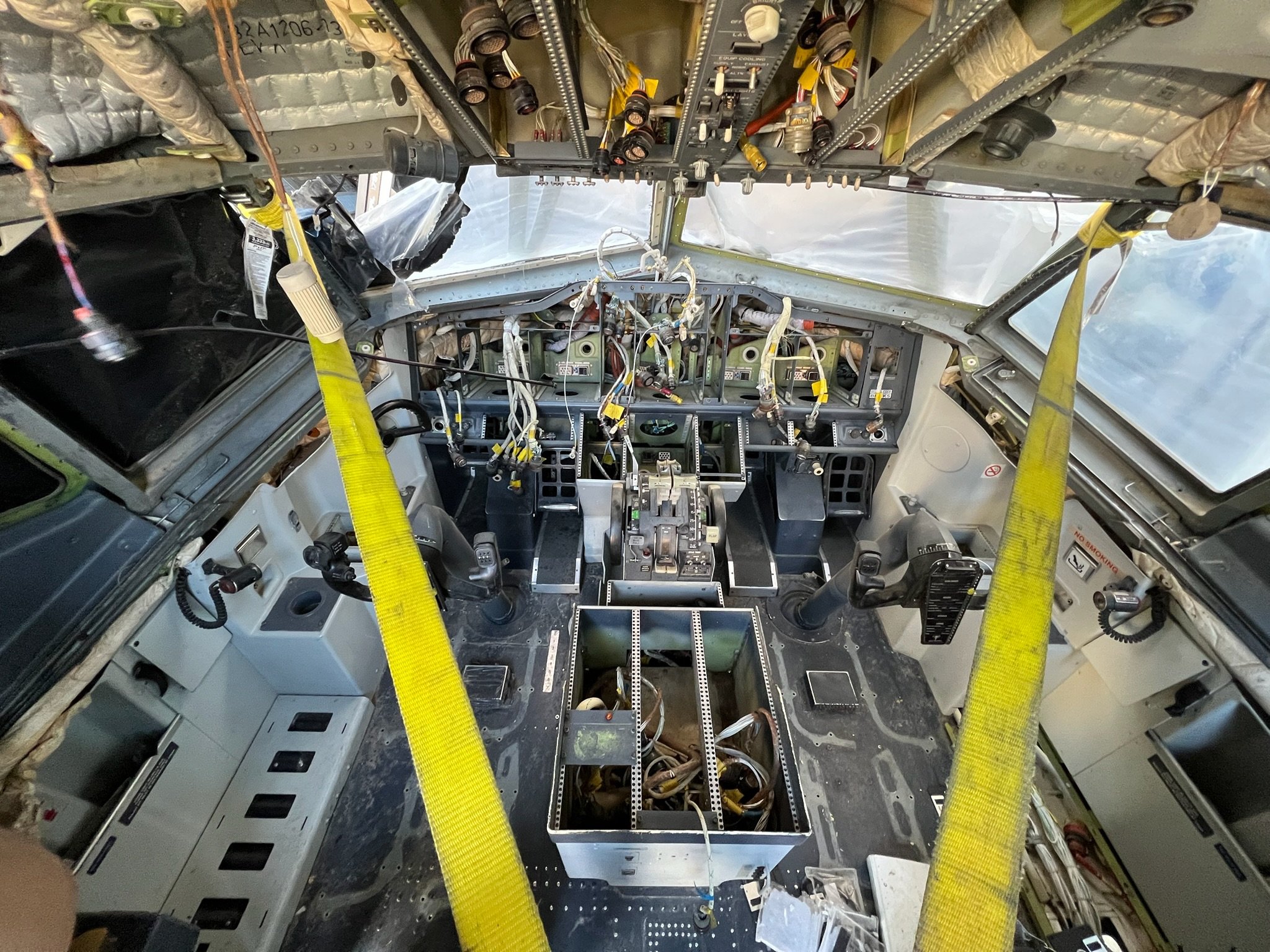
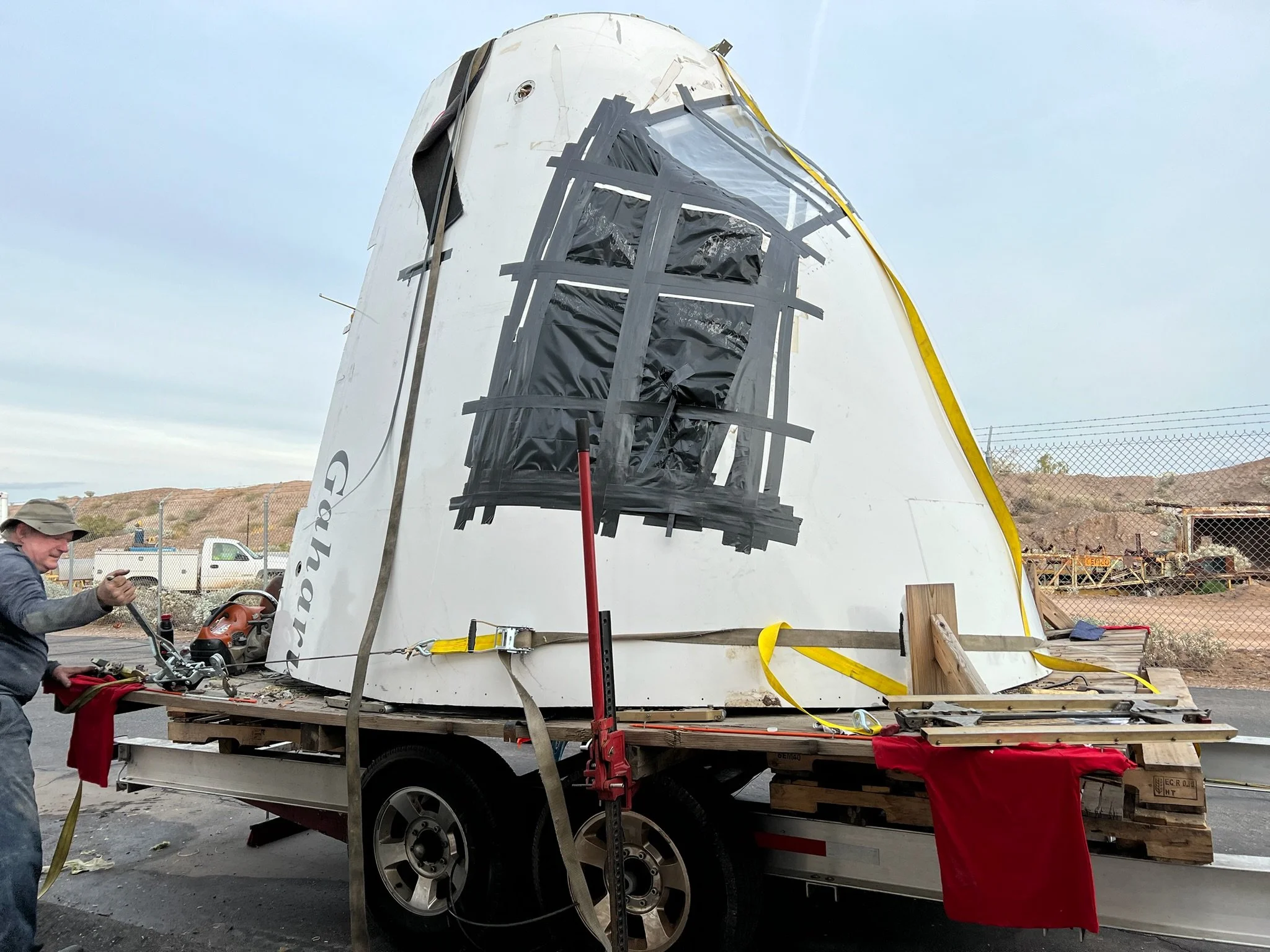
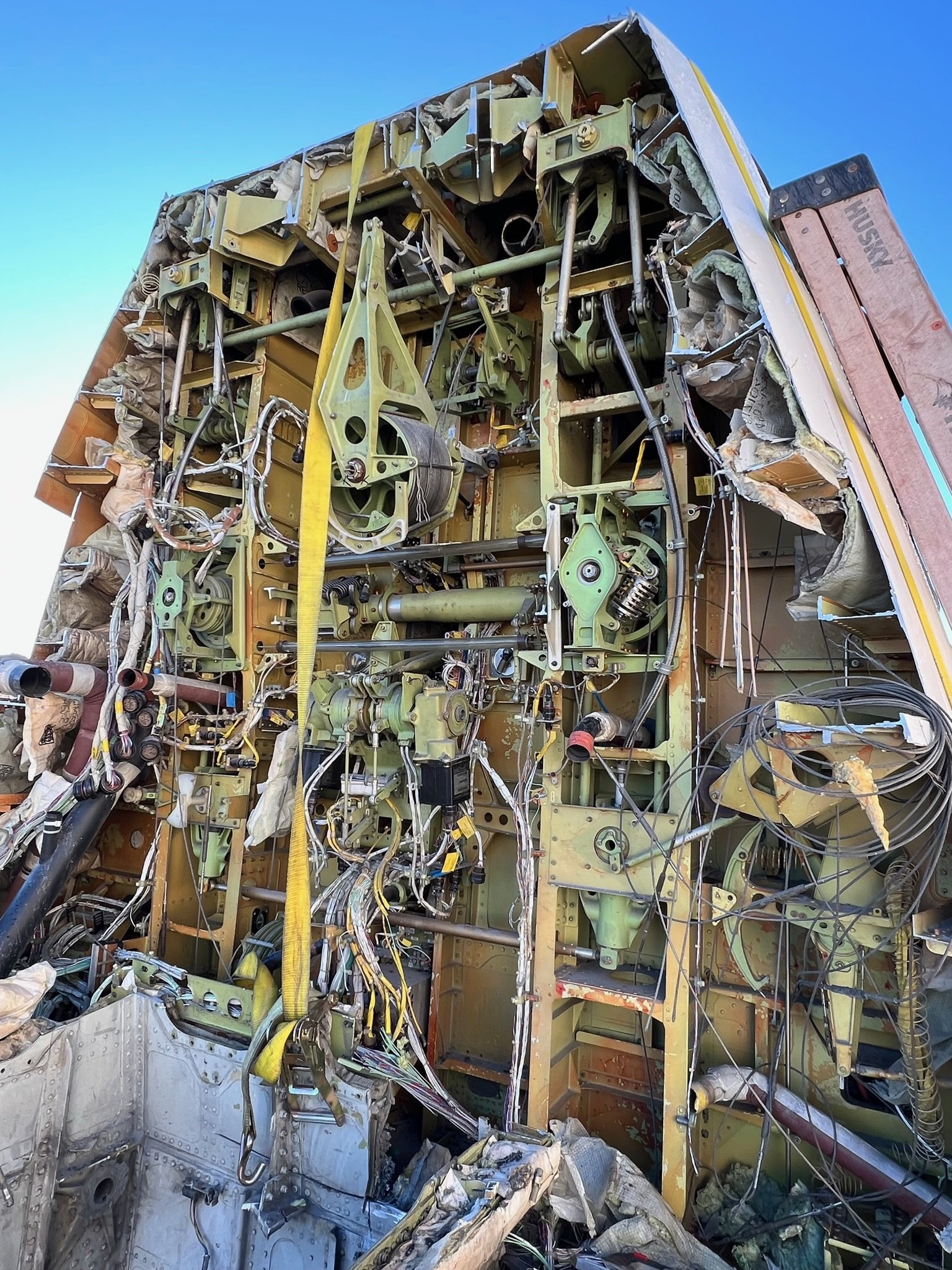
Simulators incorporating a high number of genuine aircraft components (OEM parts) are relatively rare in the hobby, and complete OEM flight decks, outside of certified Level‑D commercial simulators, are rarer still. For the most dedicated builders, the pinnacle achievement is converting an OEM flight deck housed within a retired airliner’s nose section for use with Microsoft Flight Simulator or Lockheed Martin’s Prepar3D.
Orange County 737 Sim
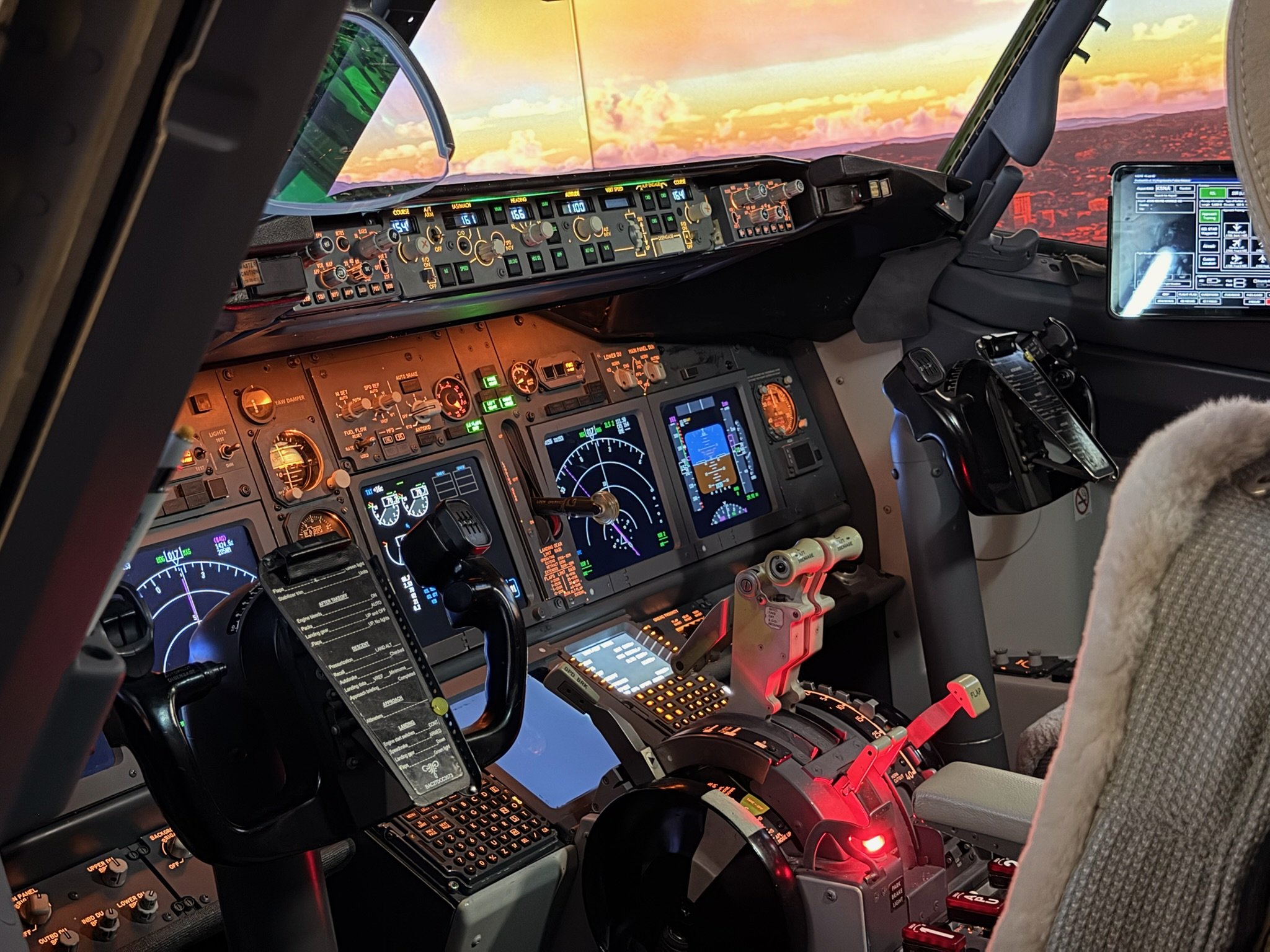
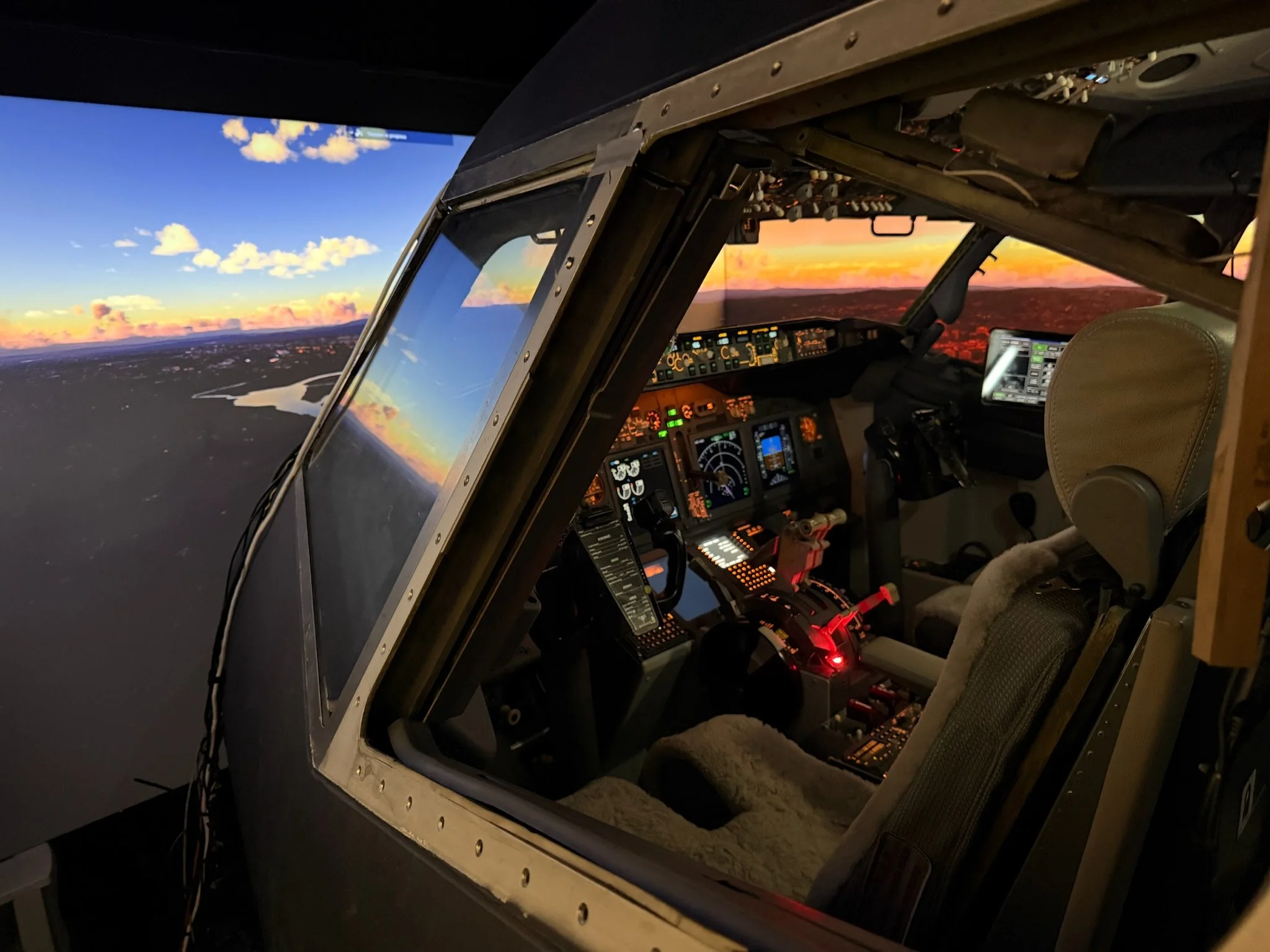
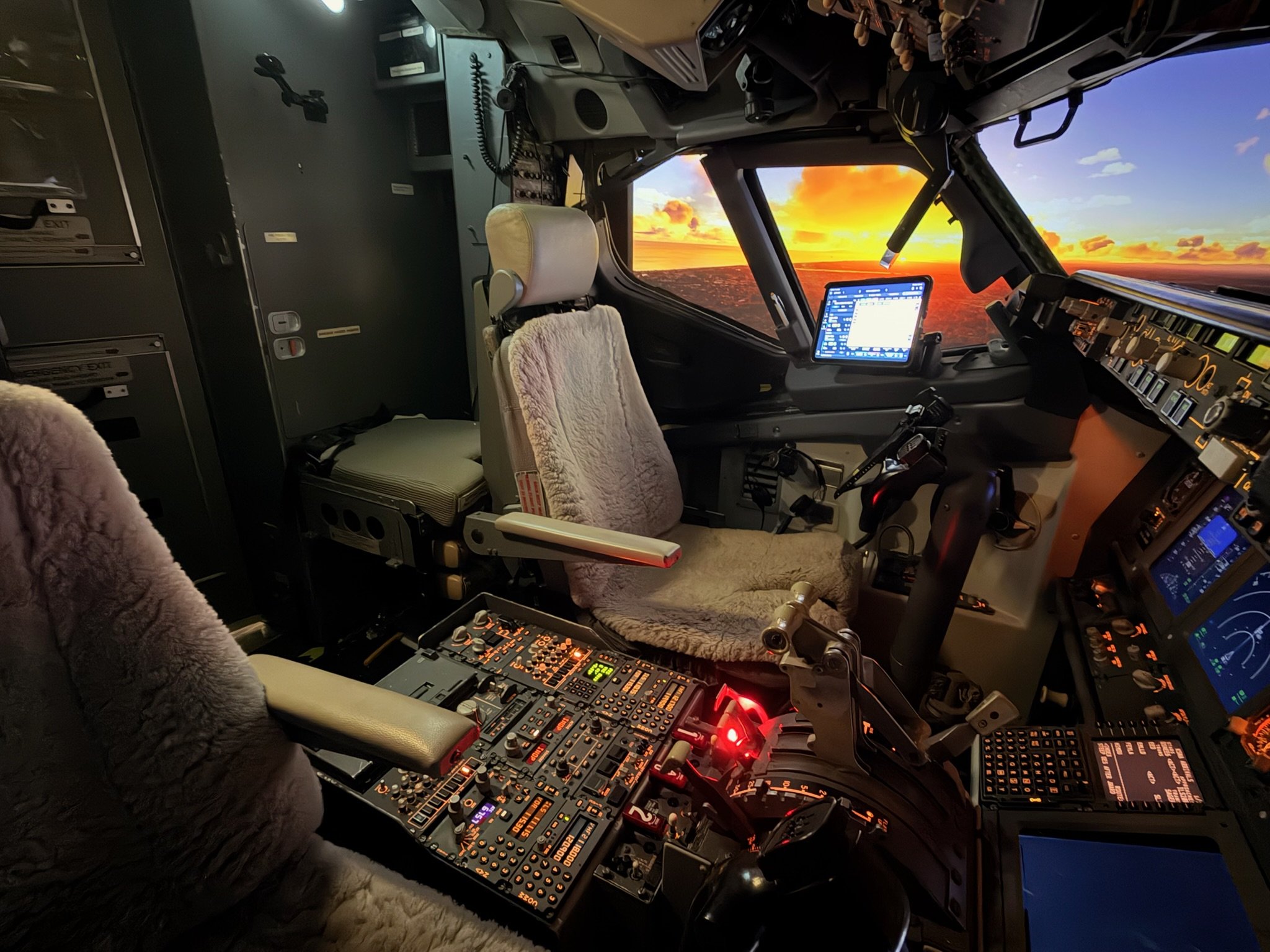
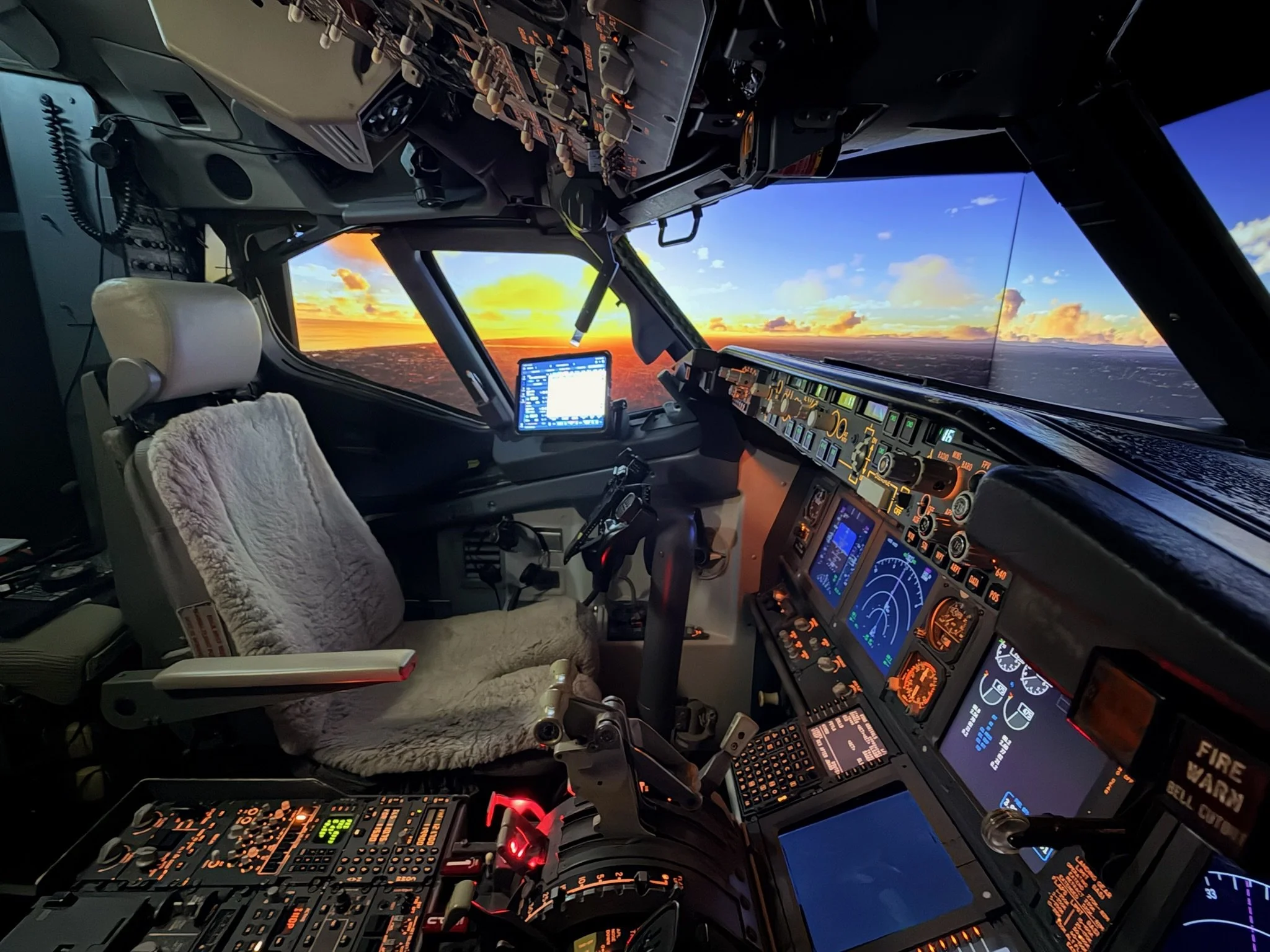
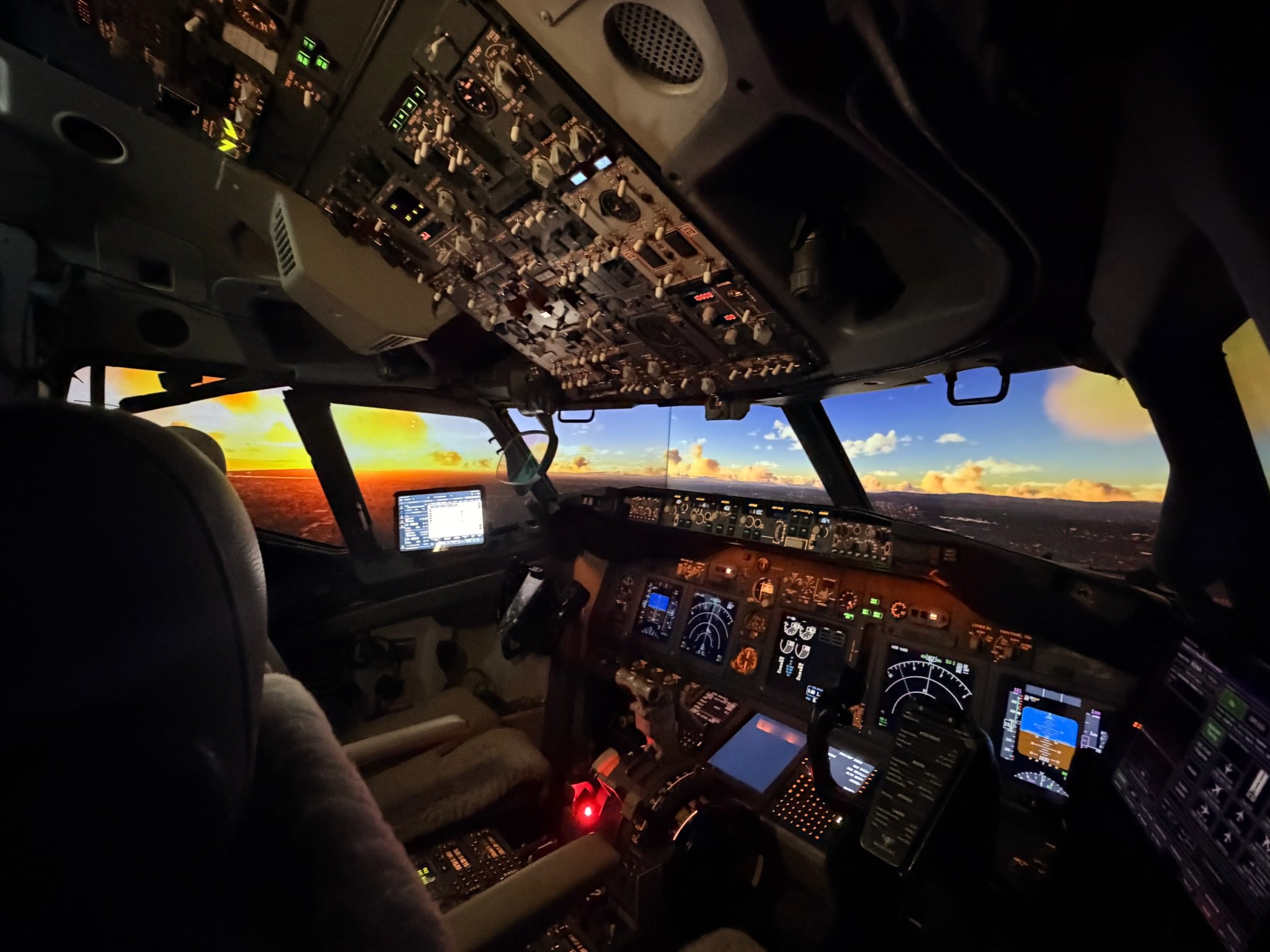
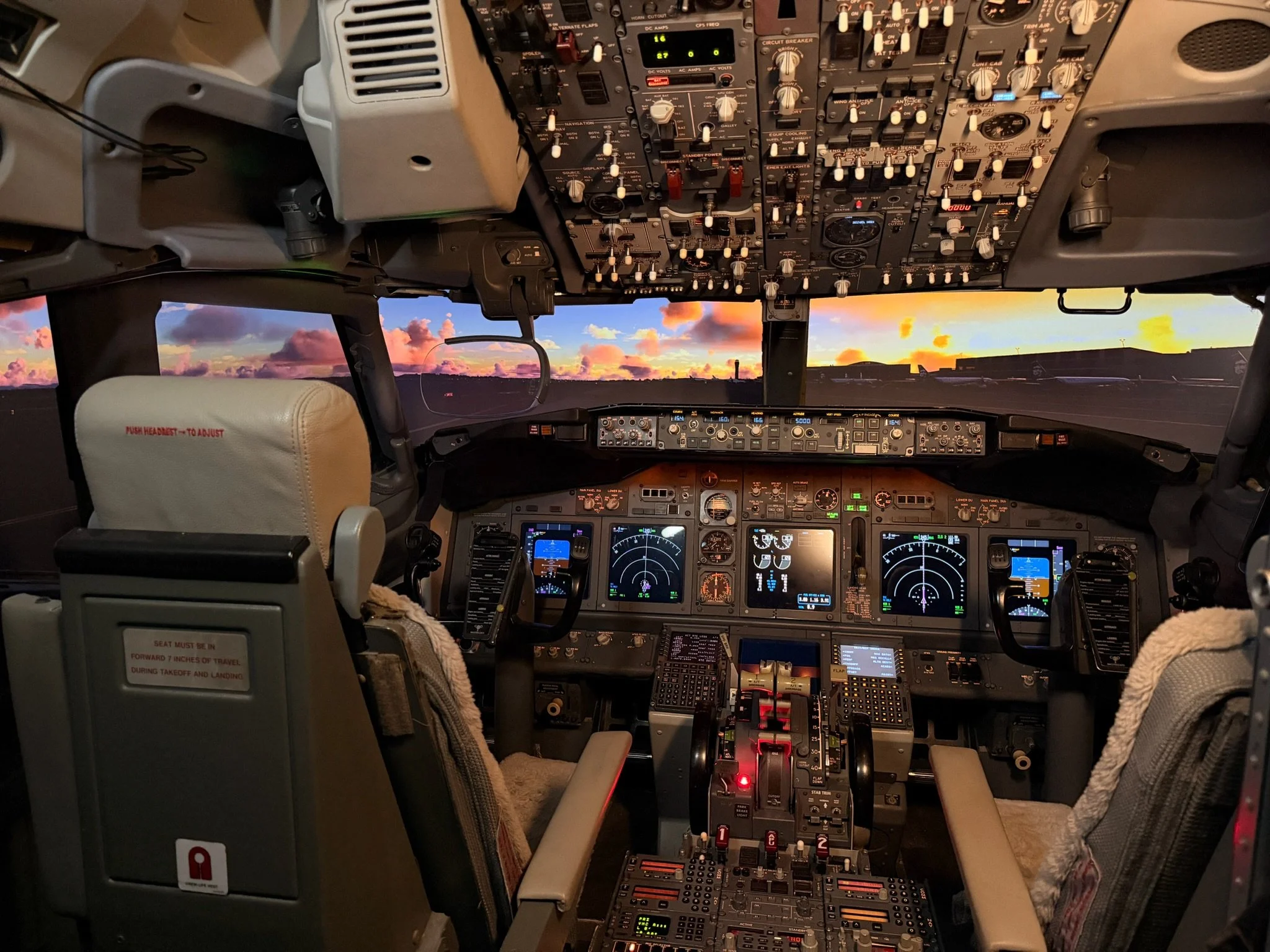
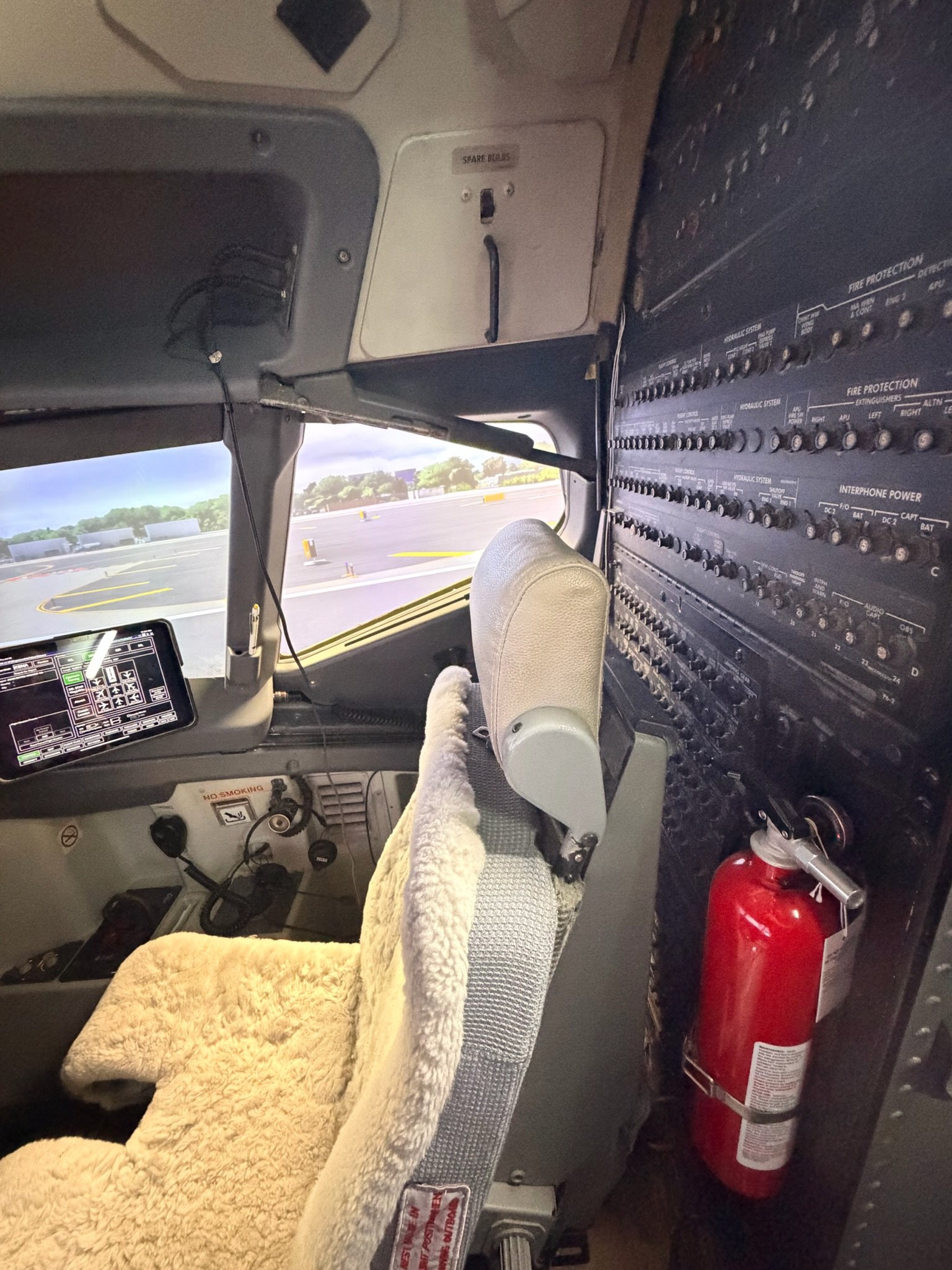
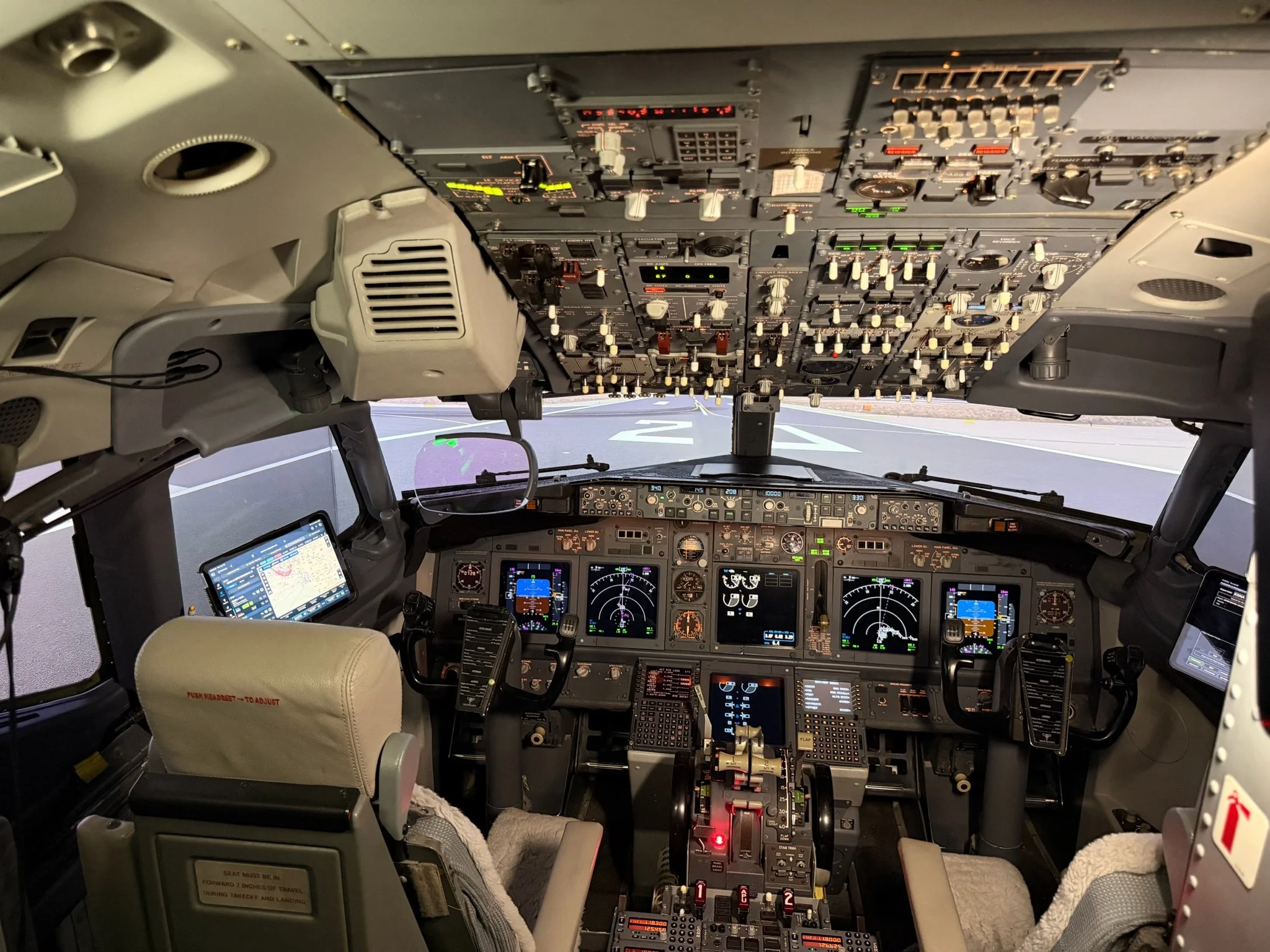
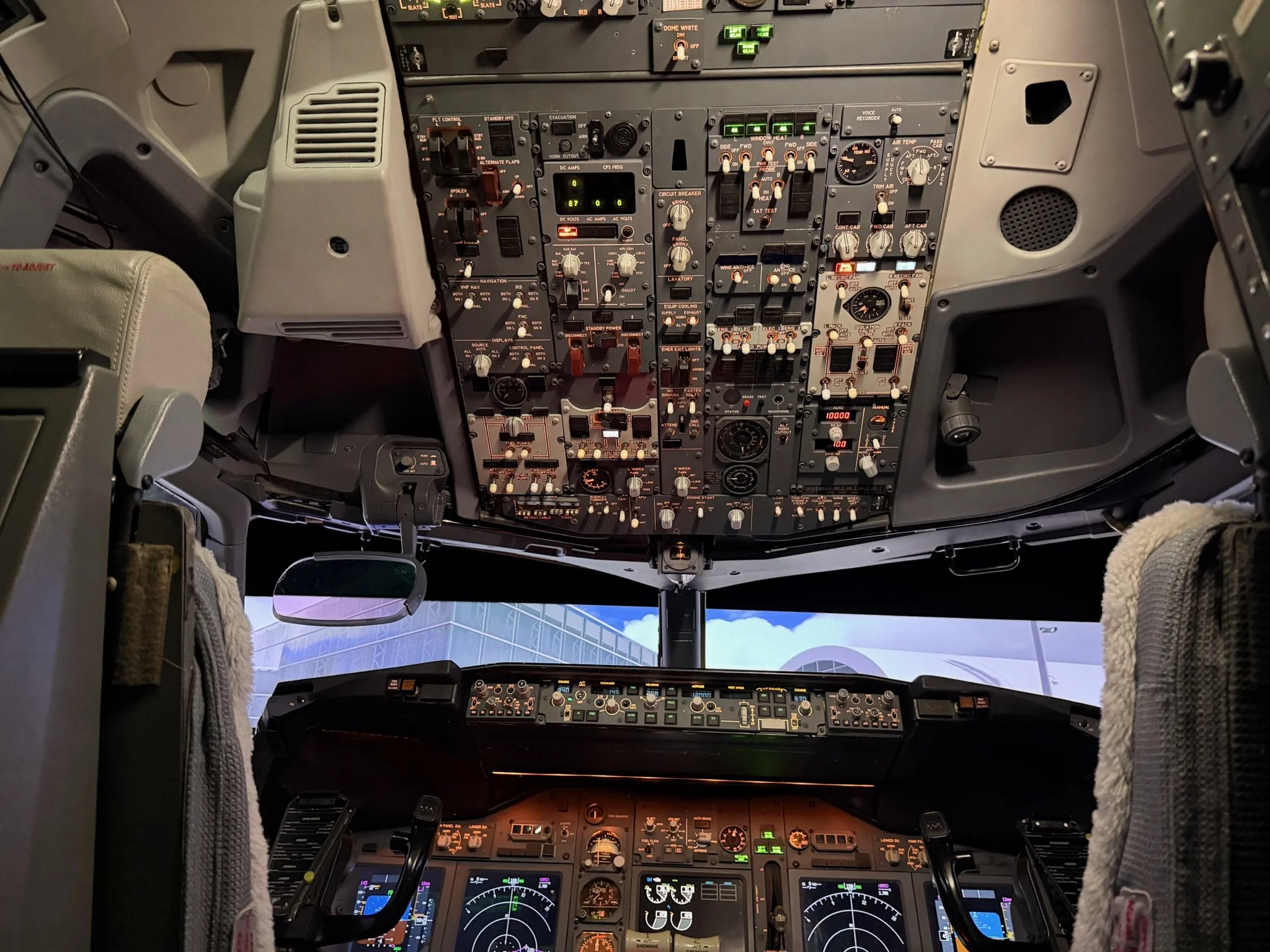
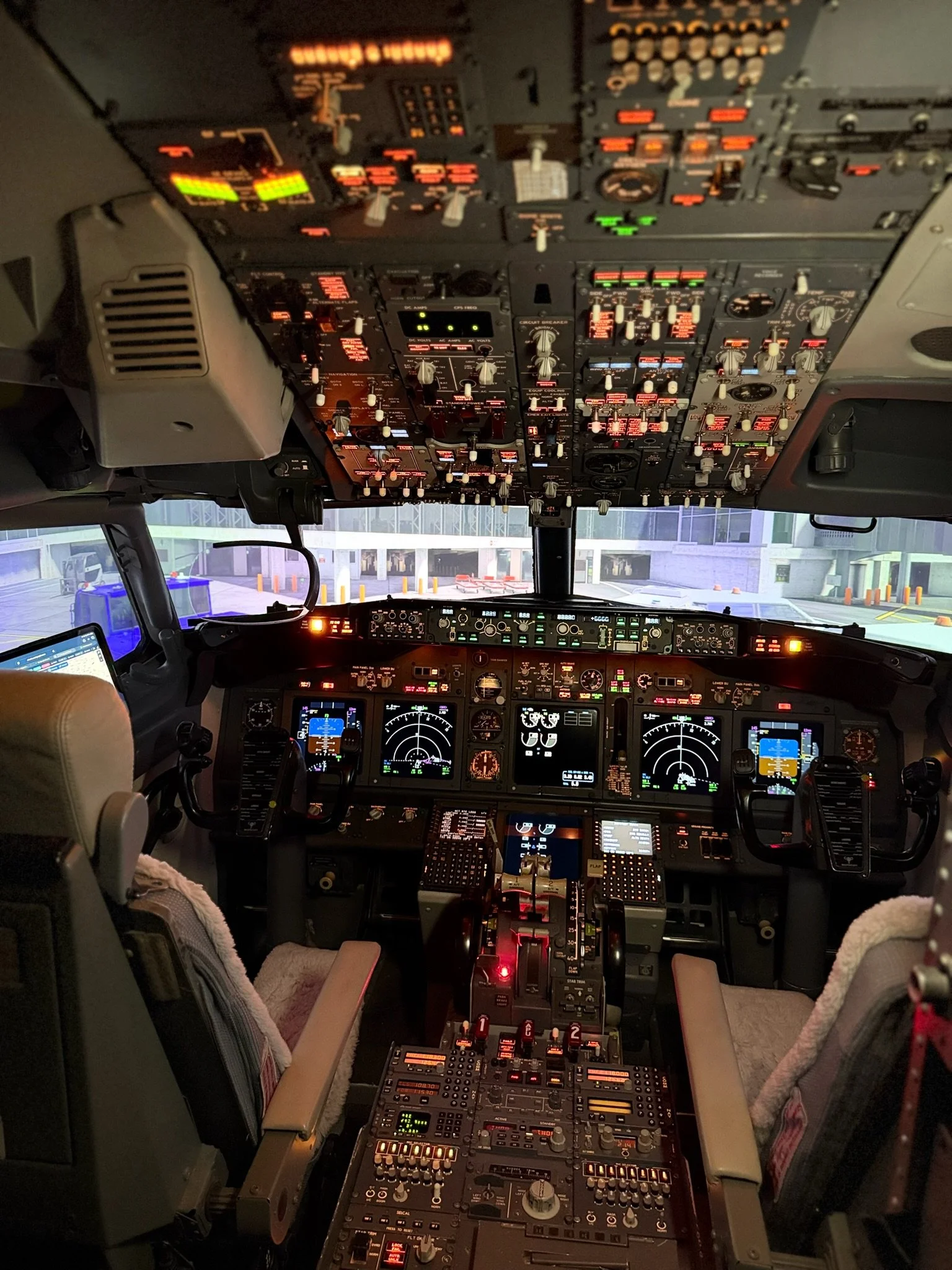
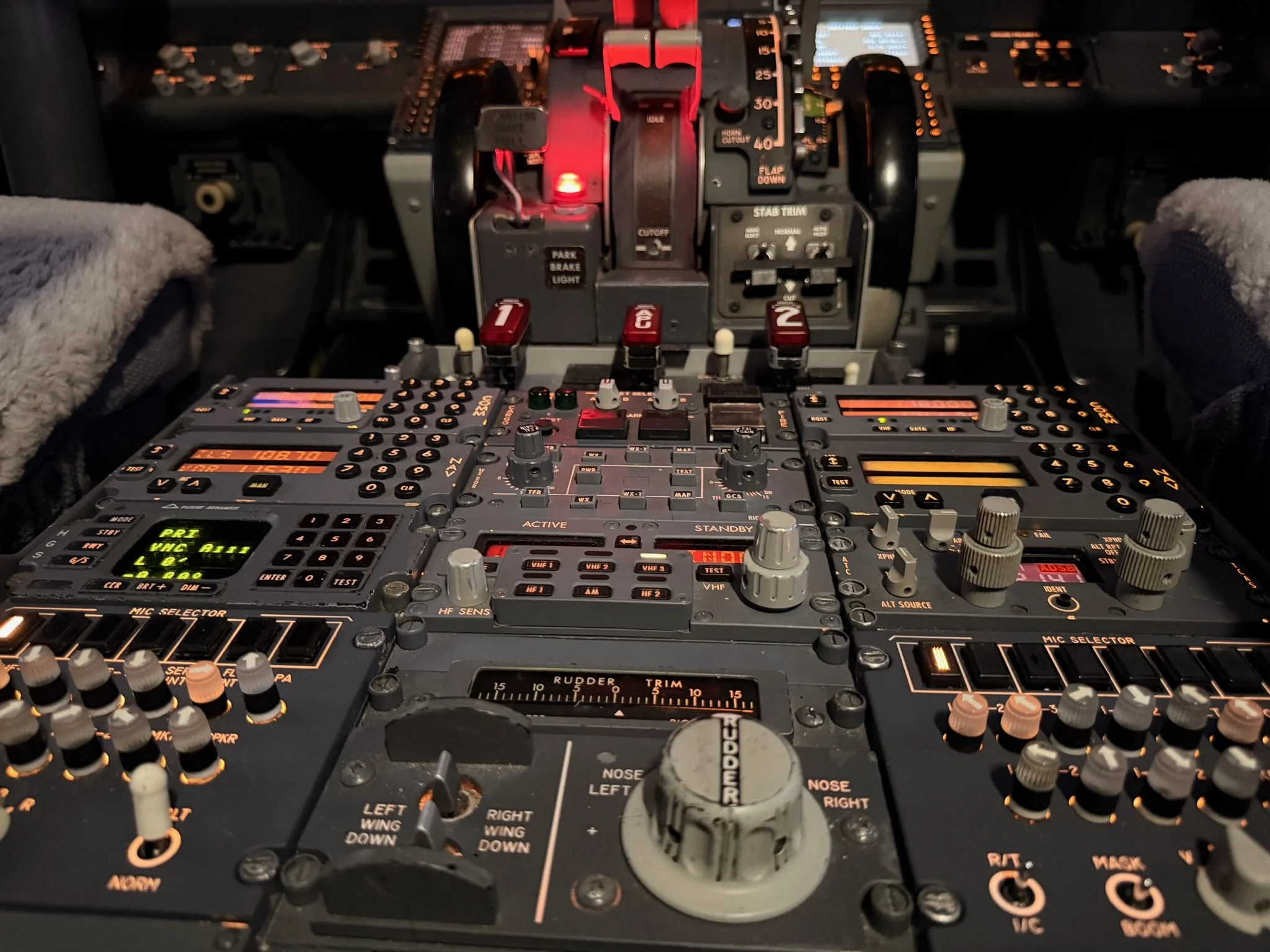
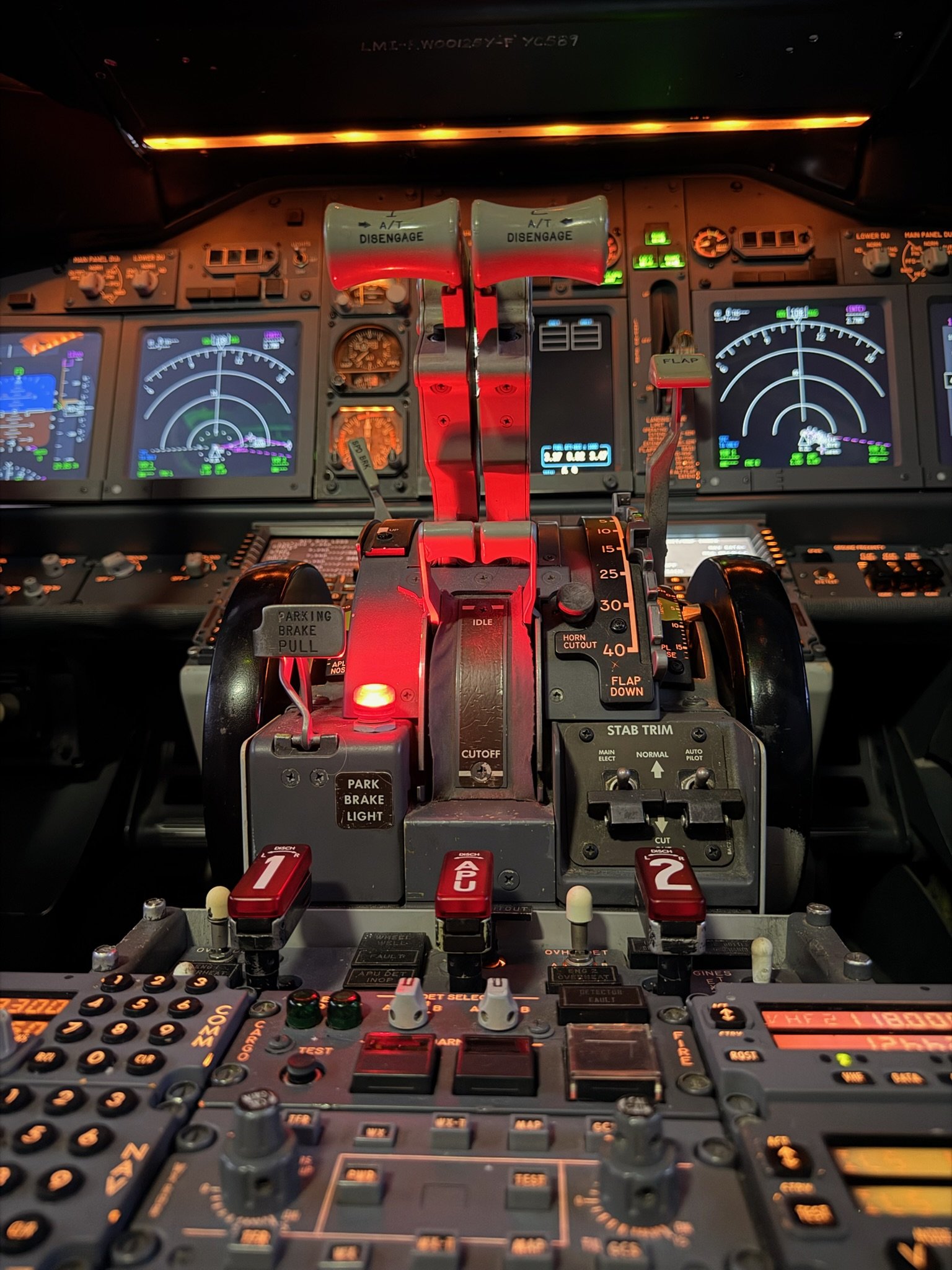
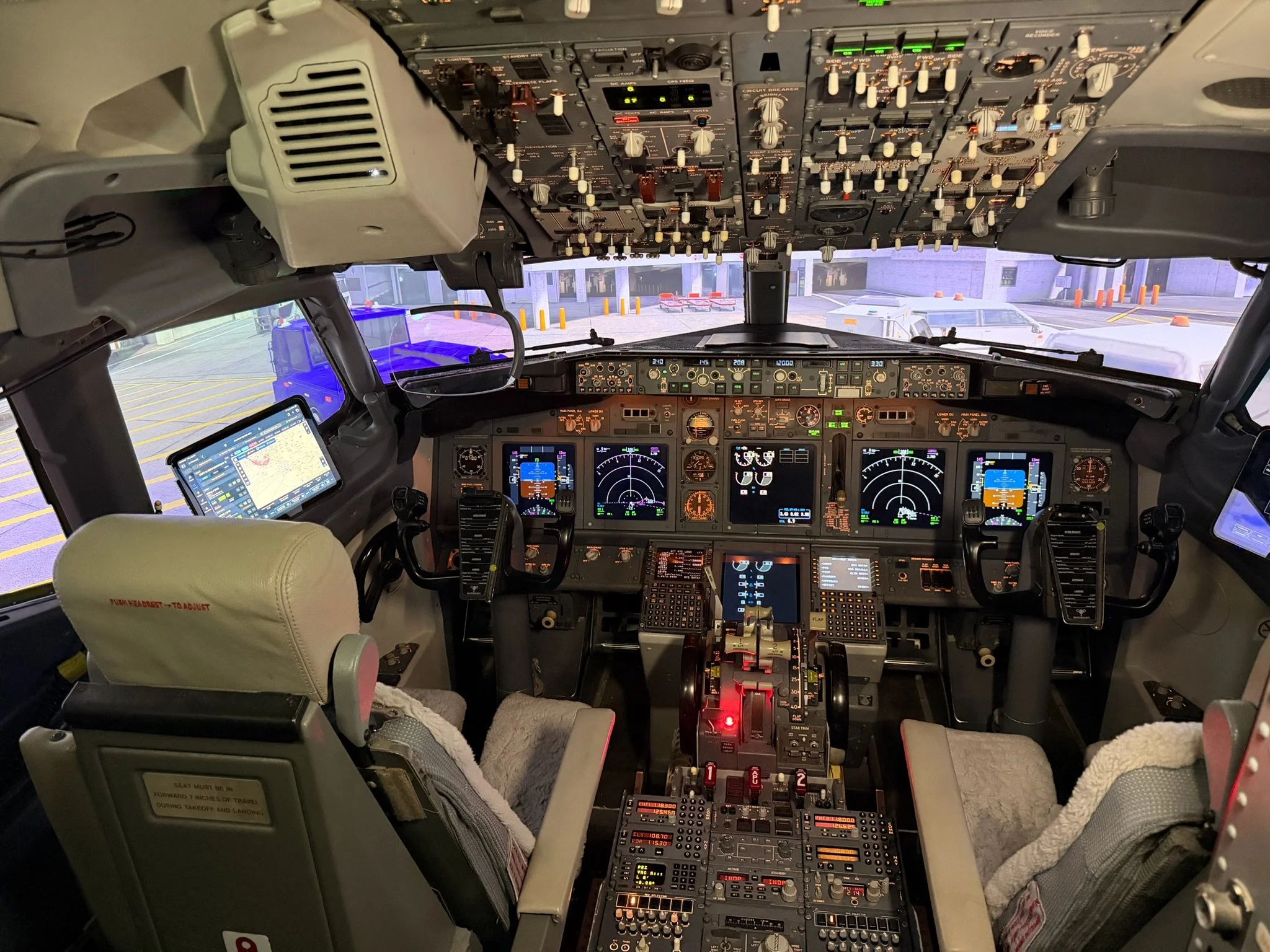
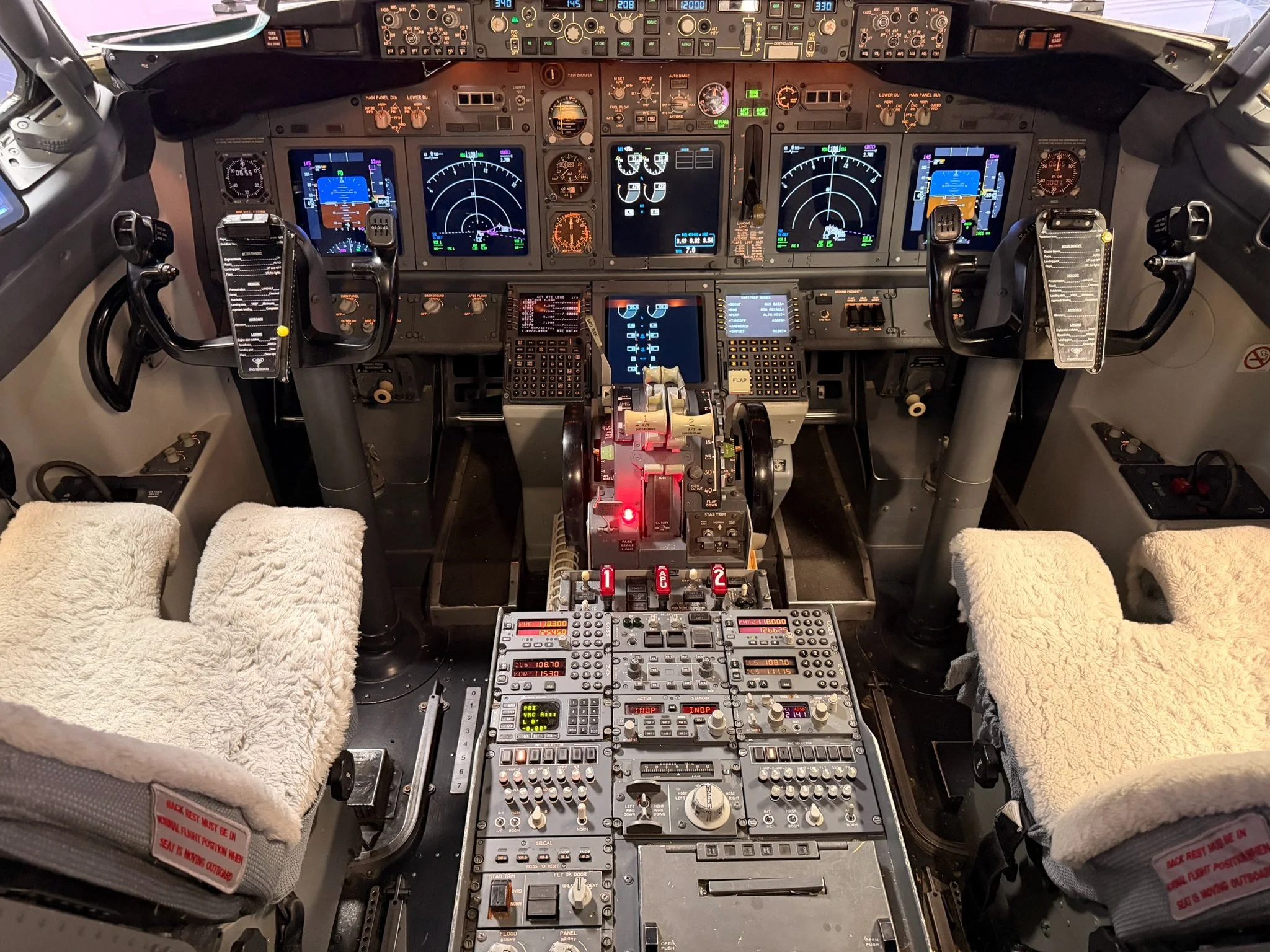
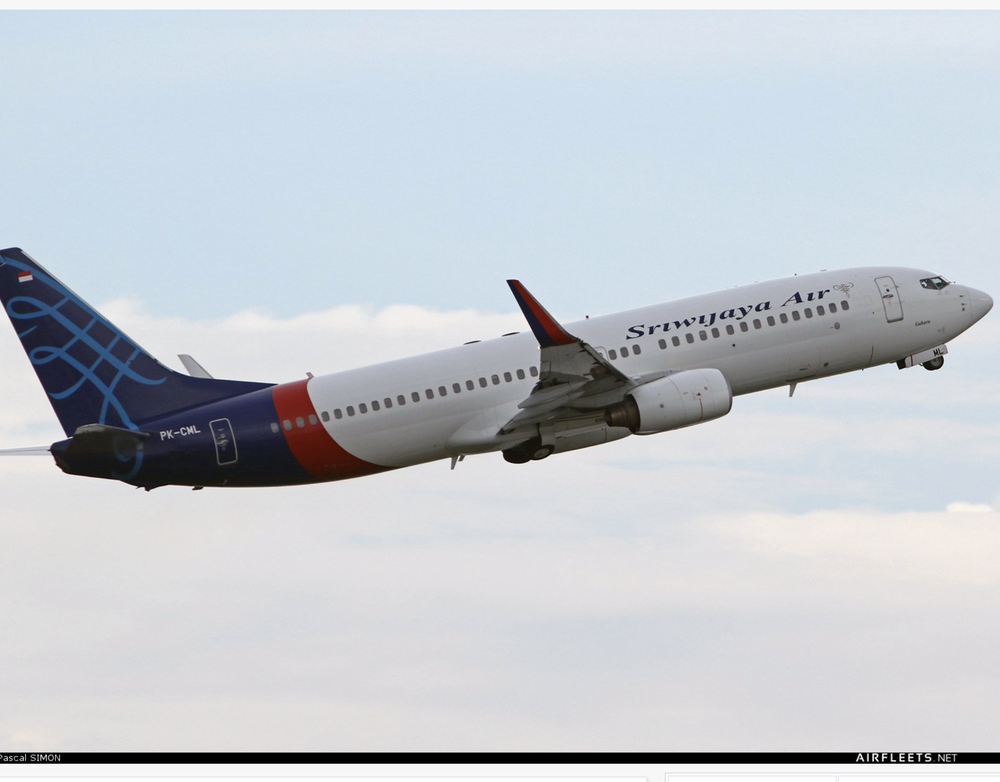
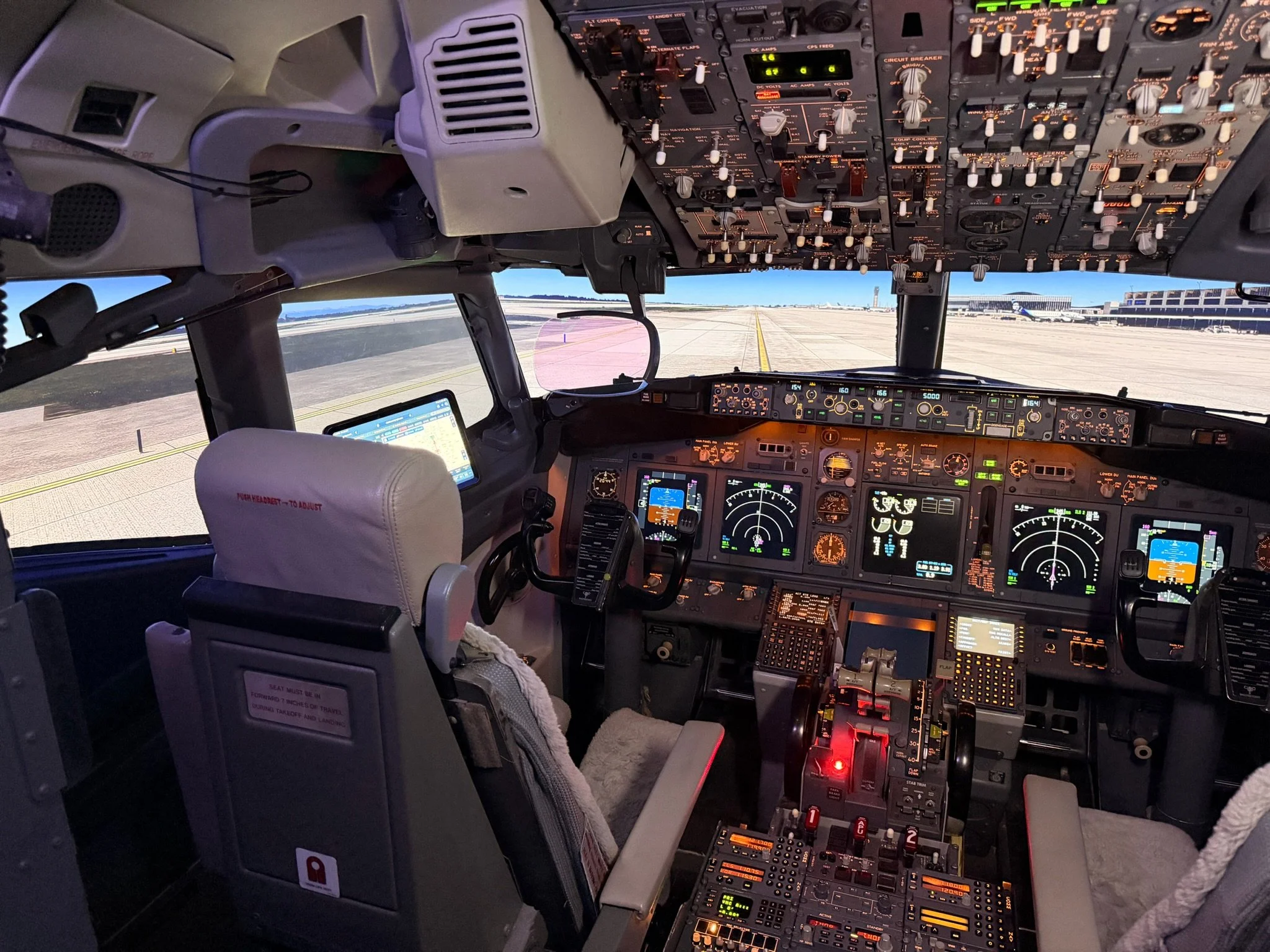
Among the most impressive examples of this craftsmanship is Orange County Sim, widely regarded as the apex of home built 737 simulator projects. The simulator represents several years of meticulous engineering, refinement, and problem solving by its owner. The aircraft that has been used in the simulator is a Boeing 737‑800 that once flew for Sriwijaya Air (MSN 30636), before being dismantled in Arizona.
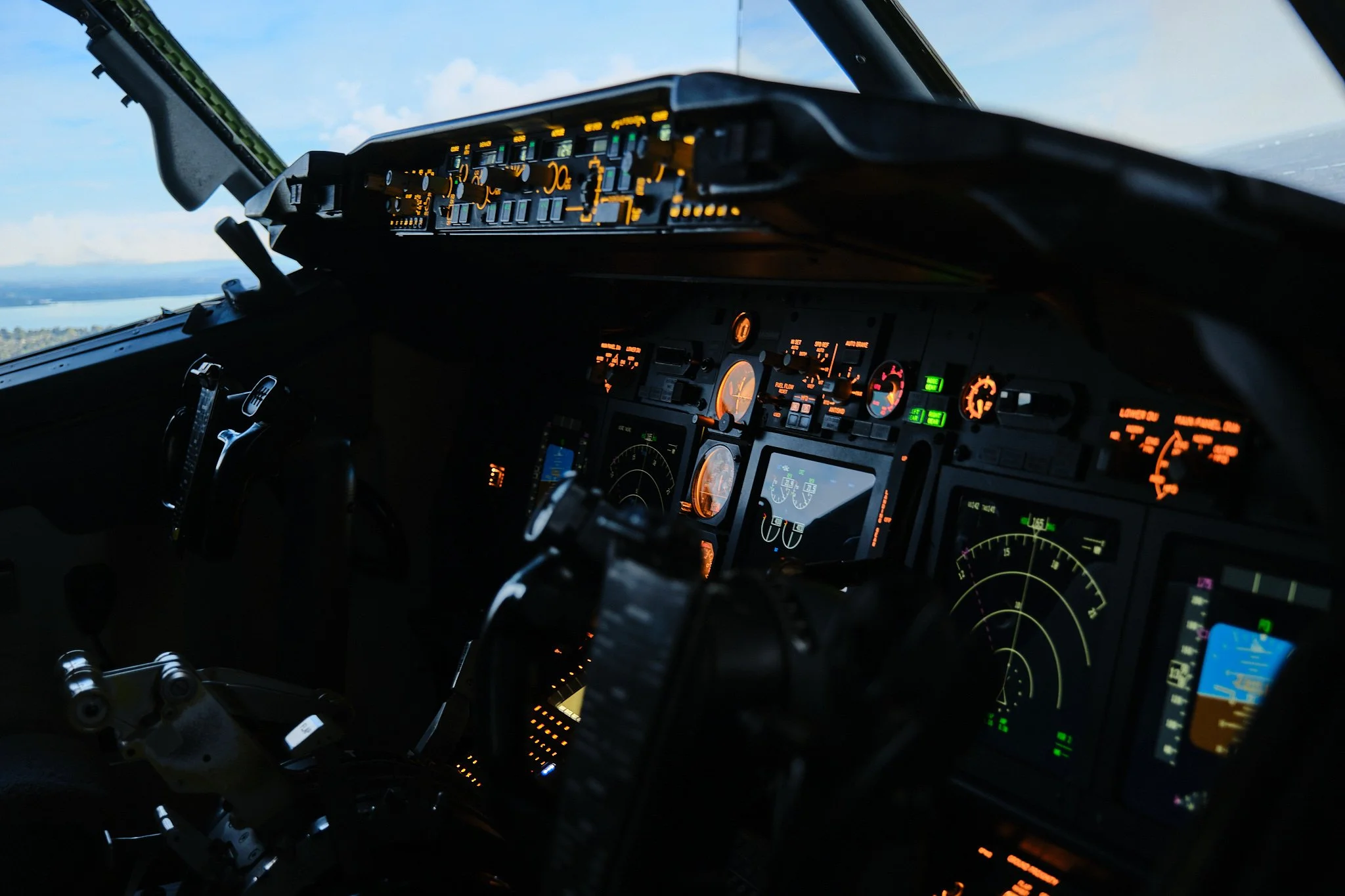
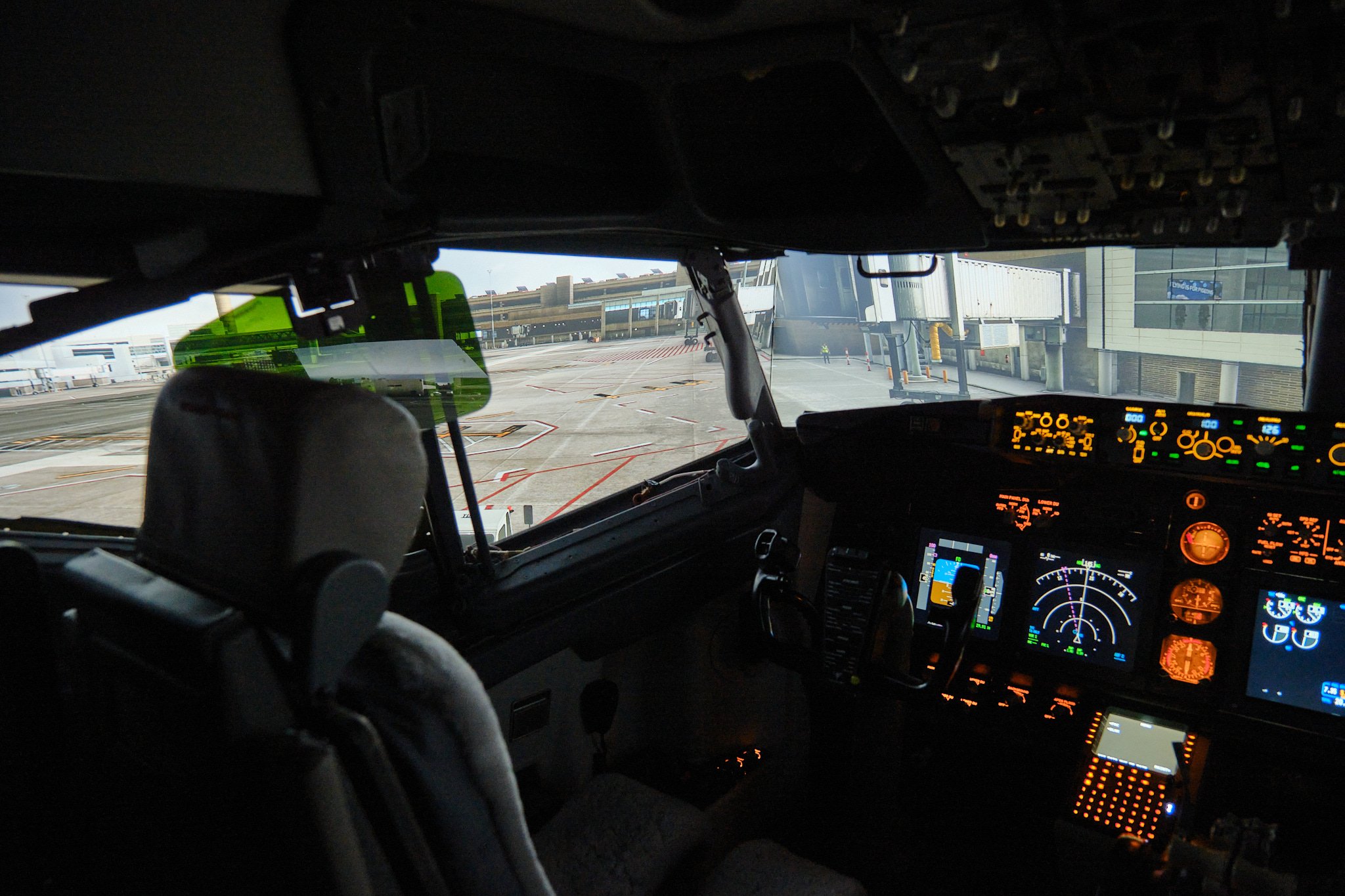
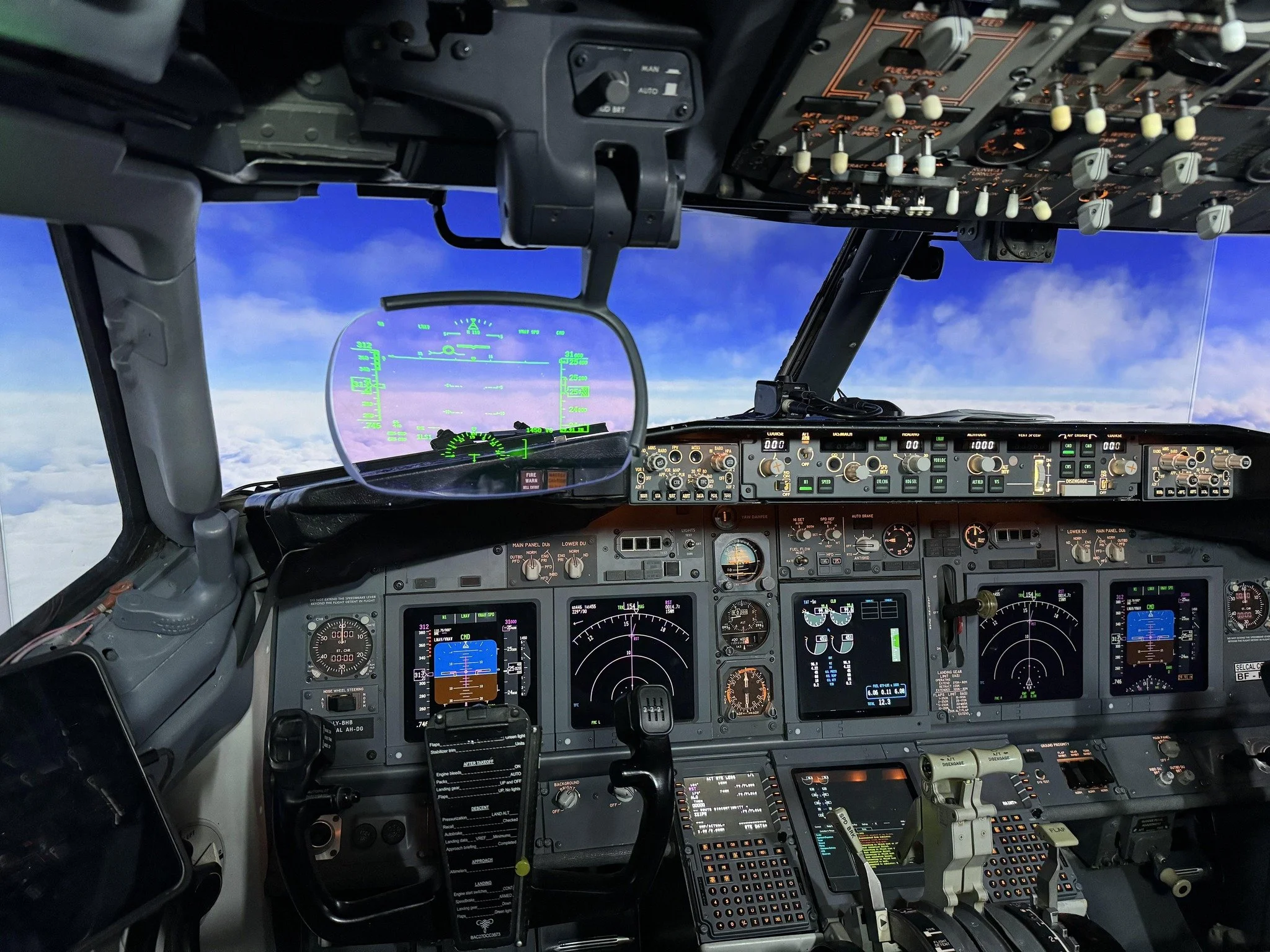
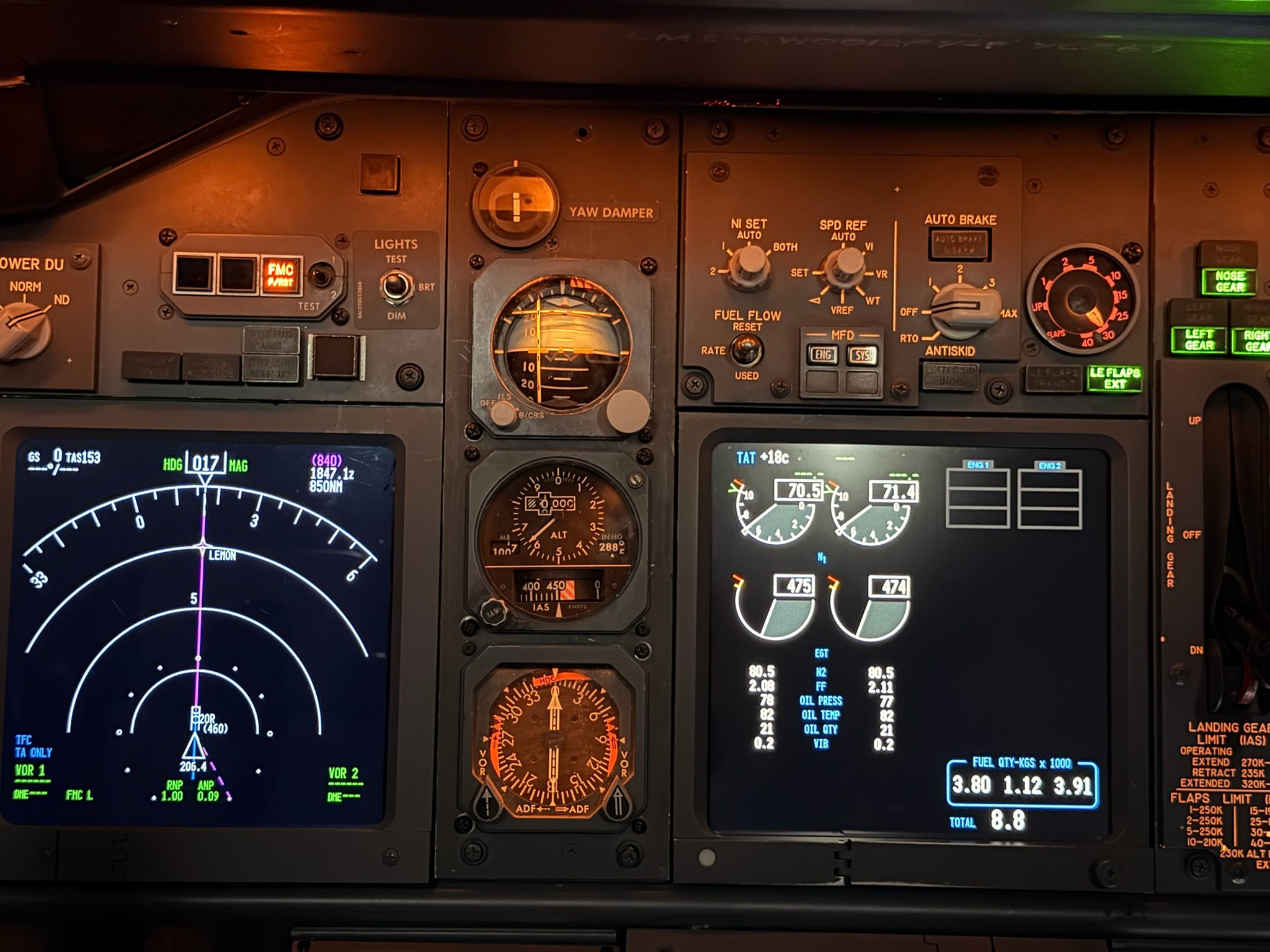
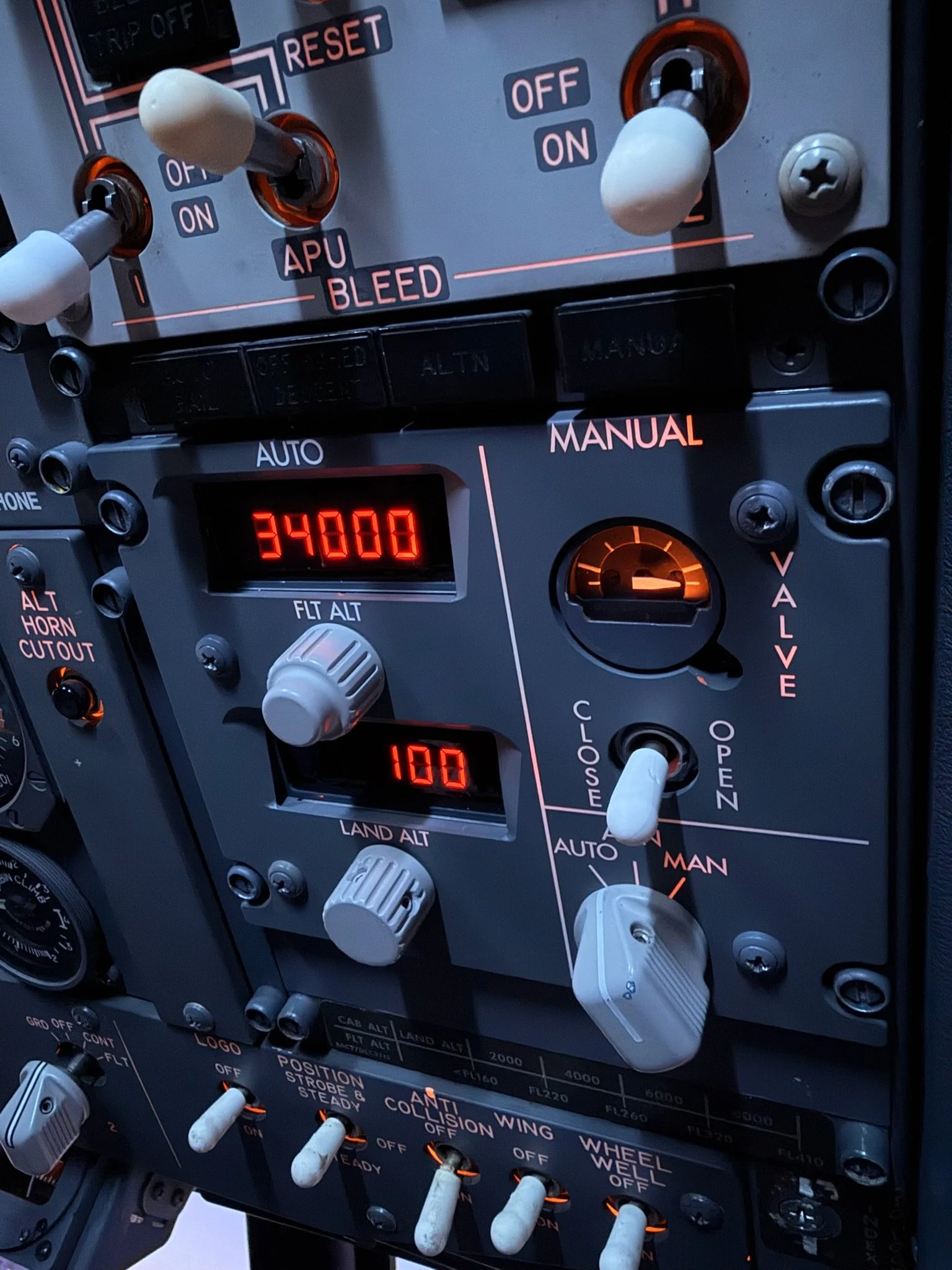
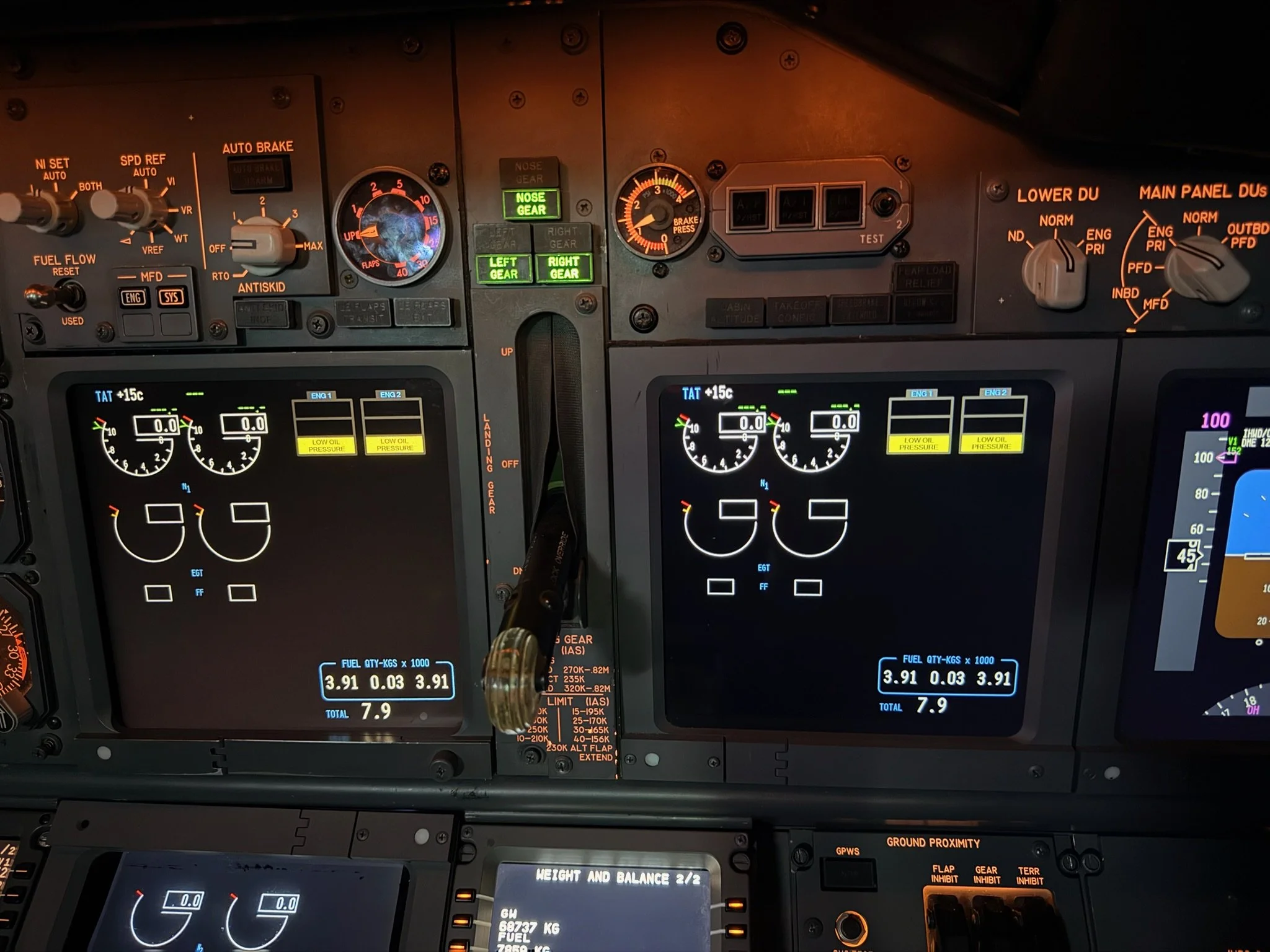
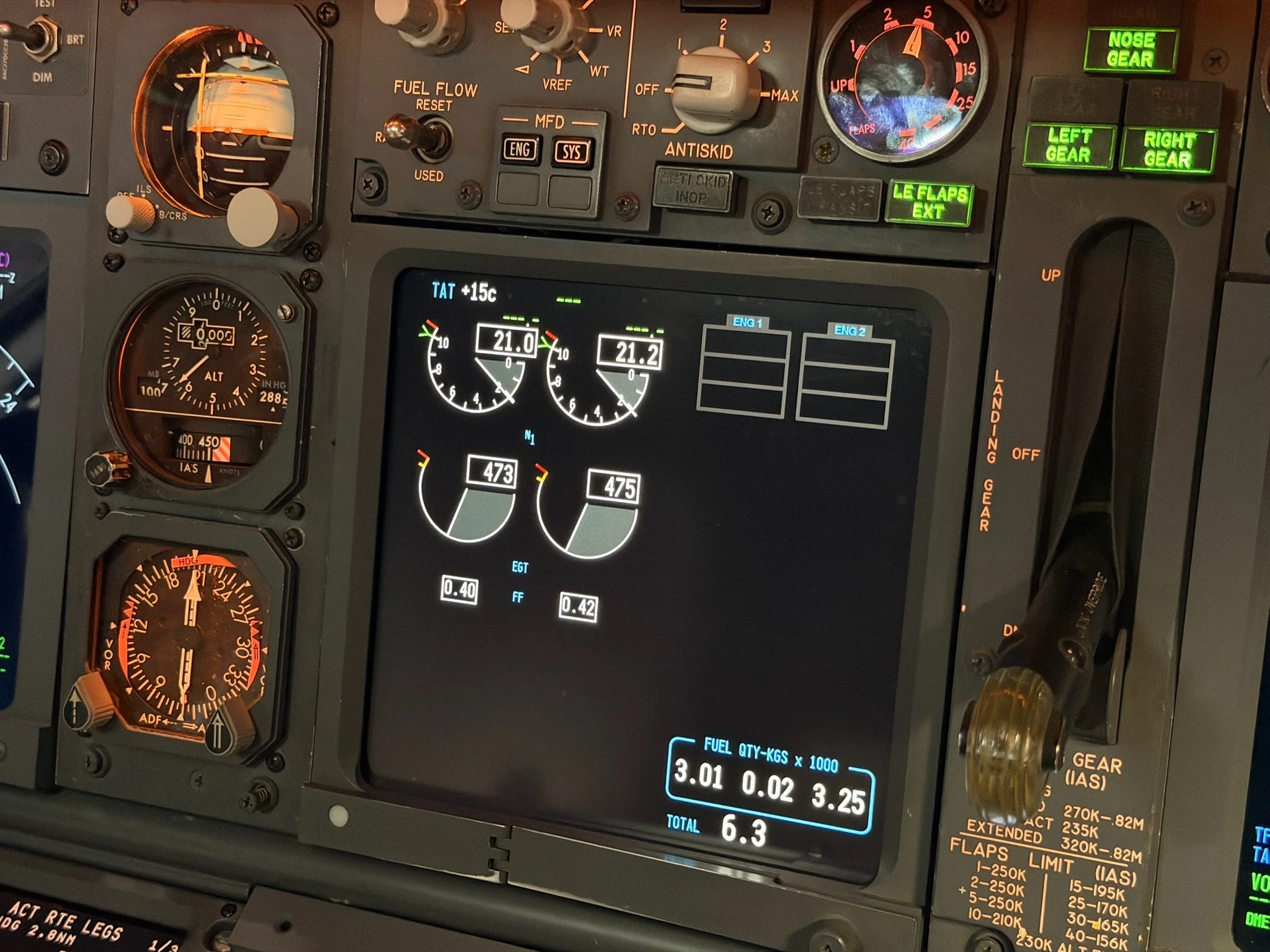
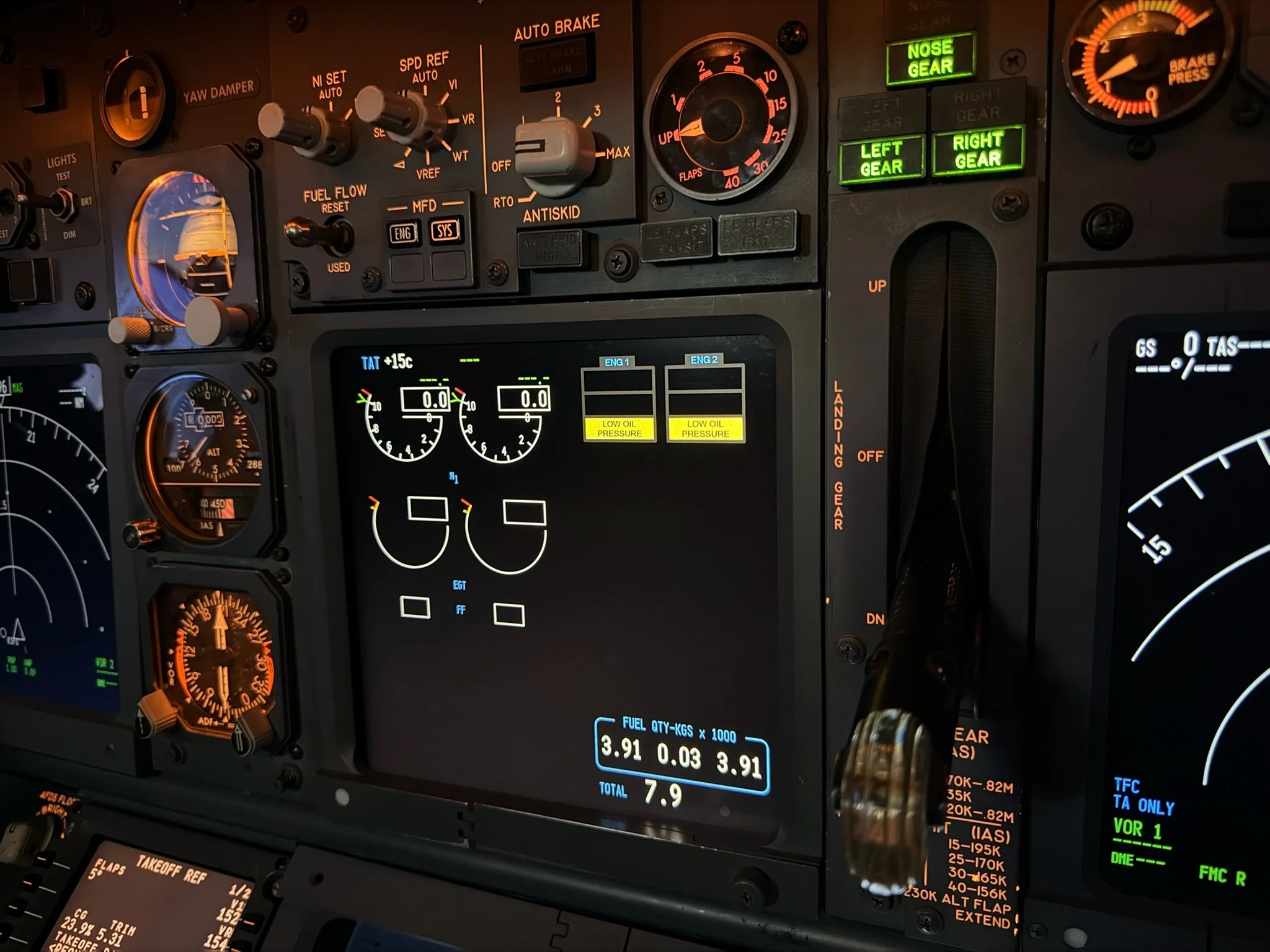
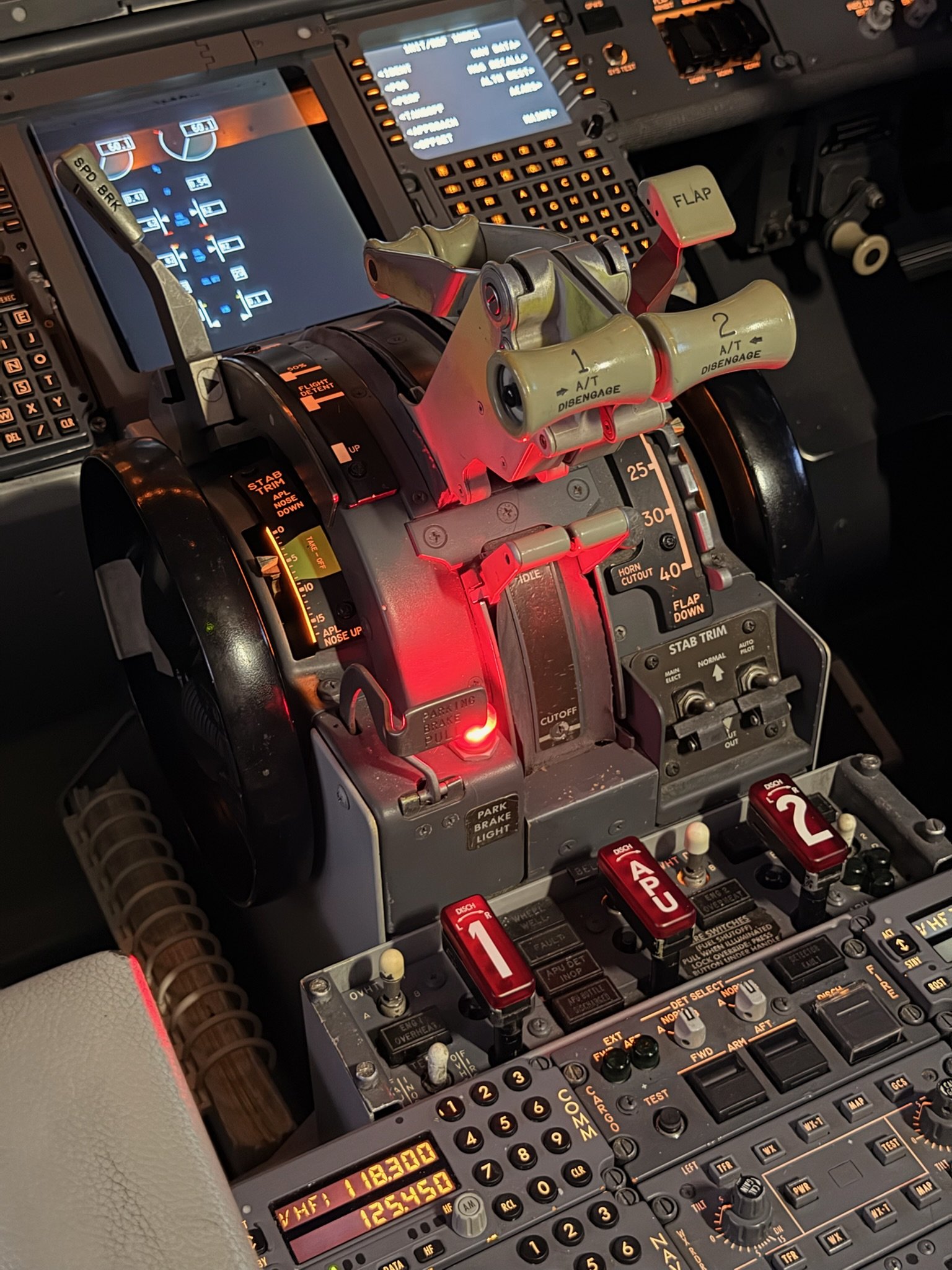
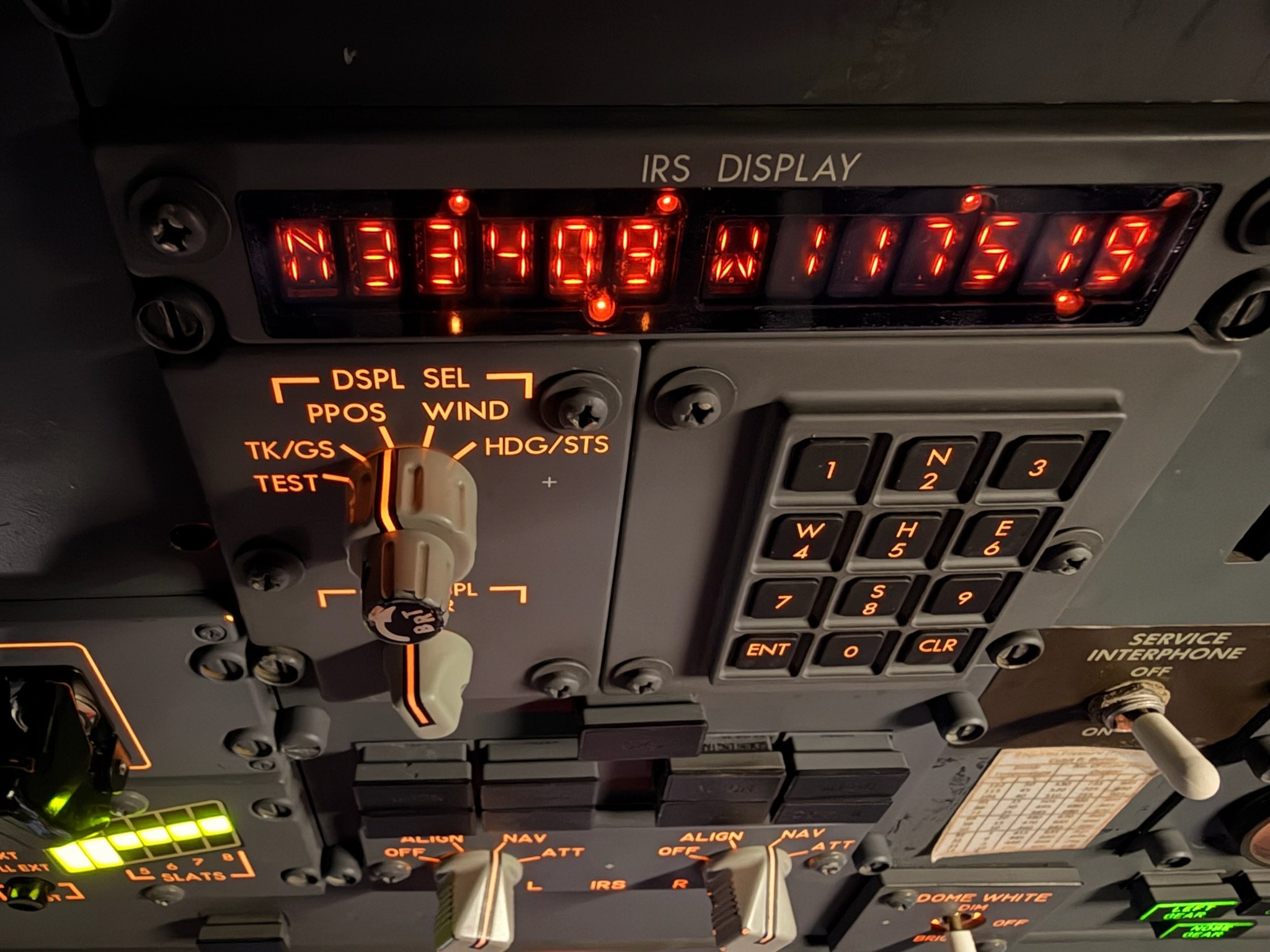
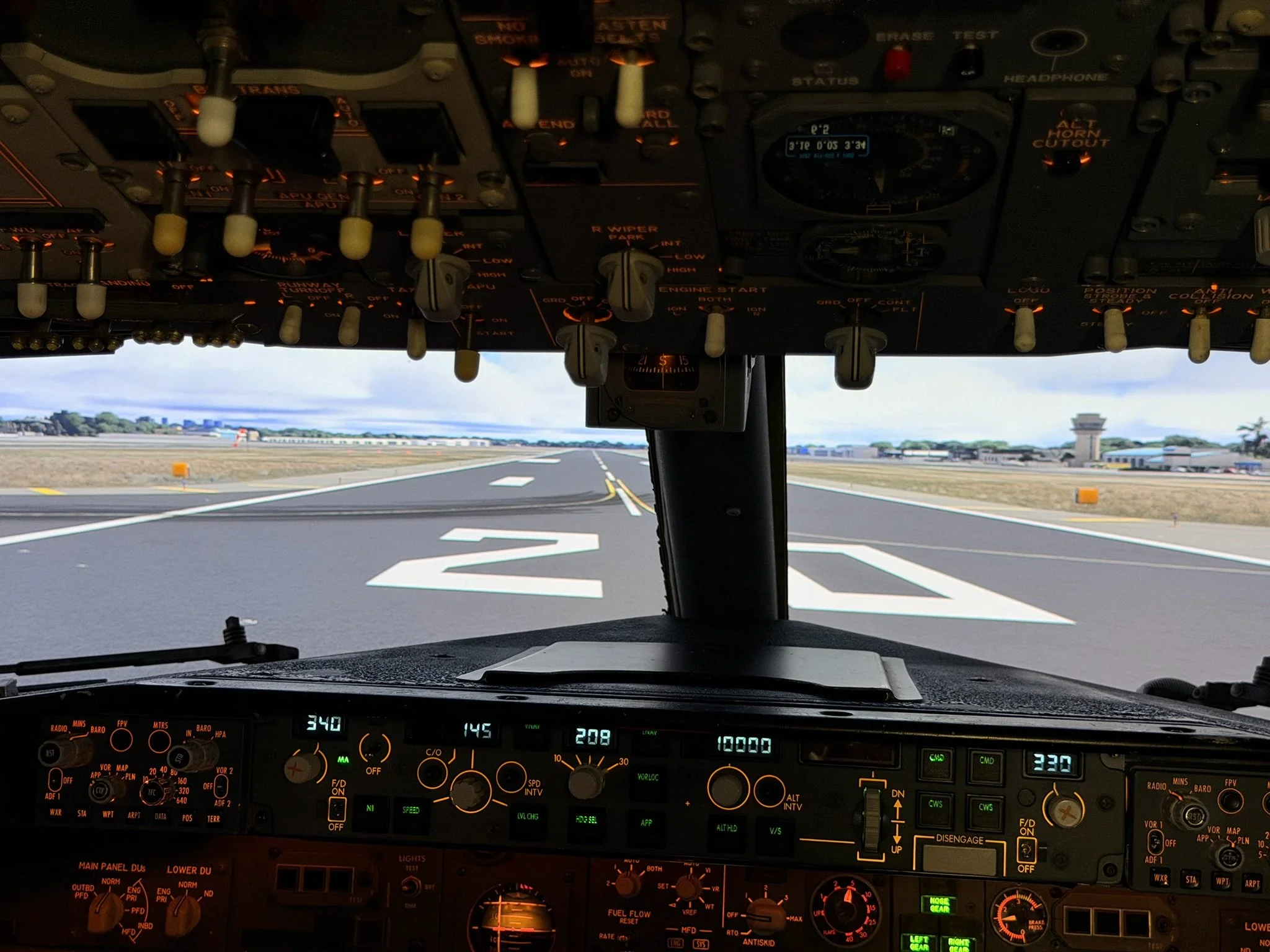
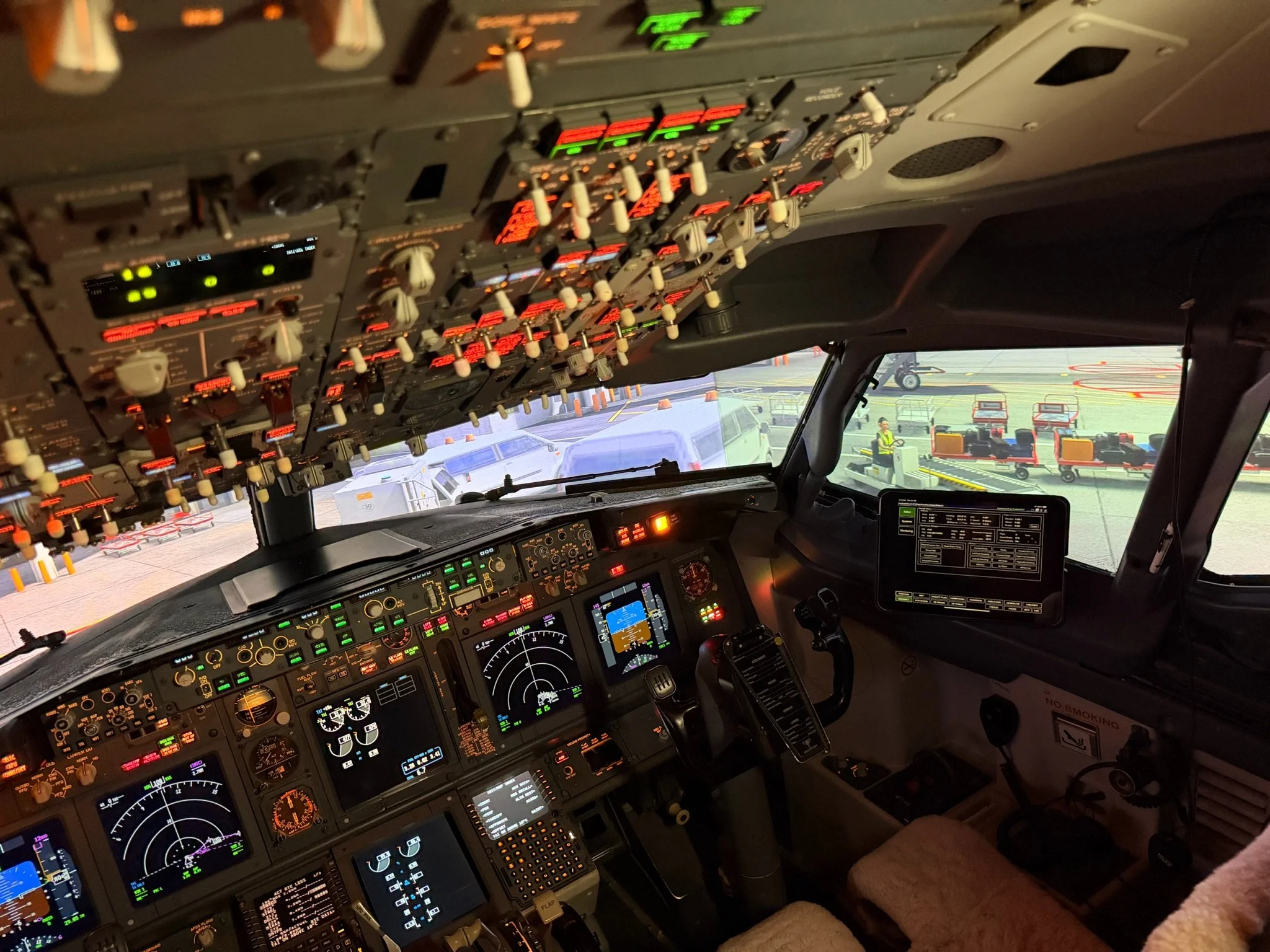
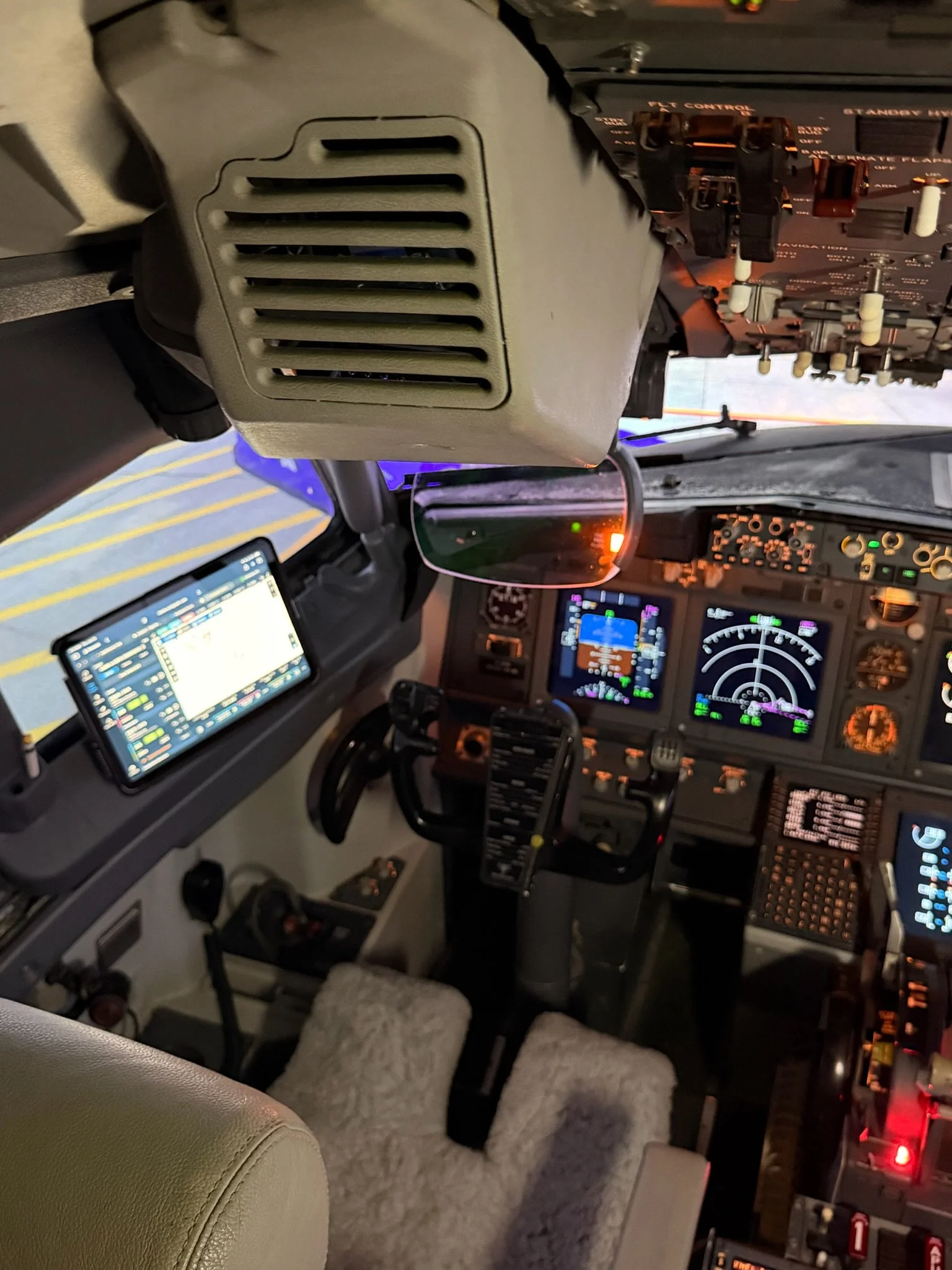
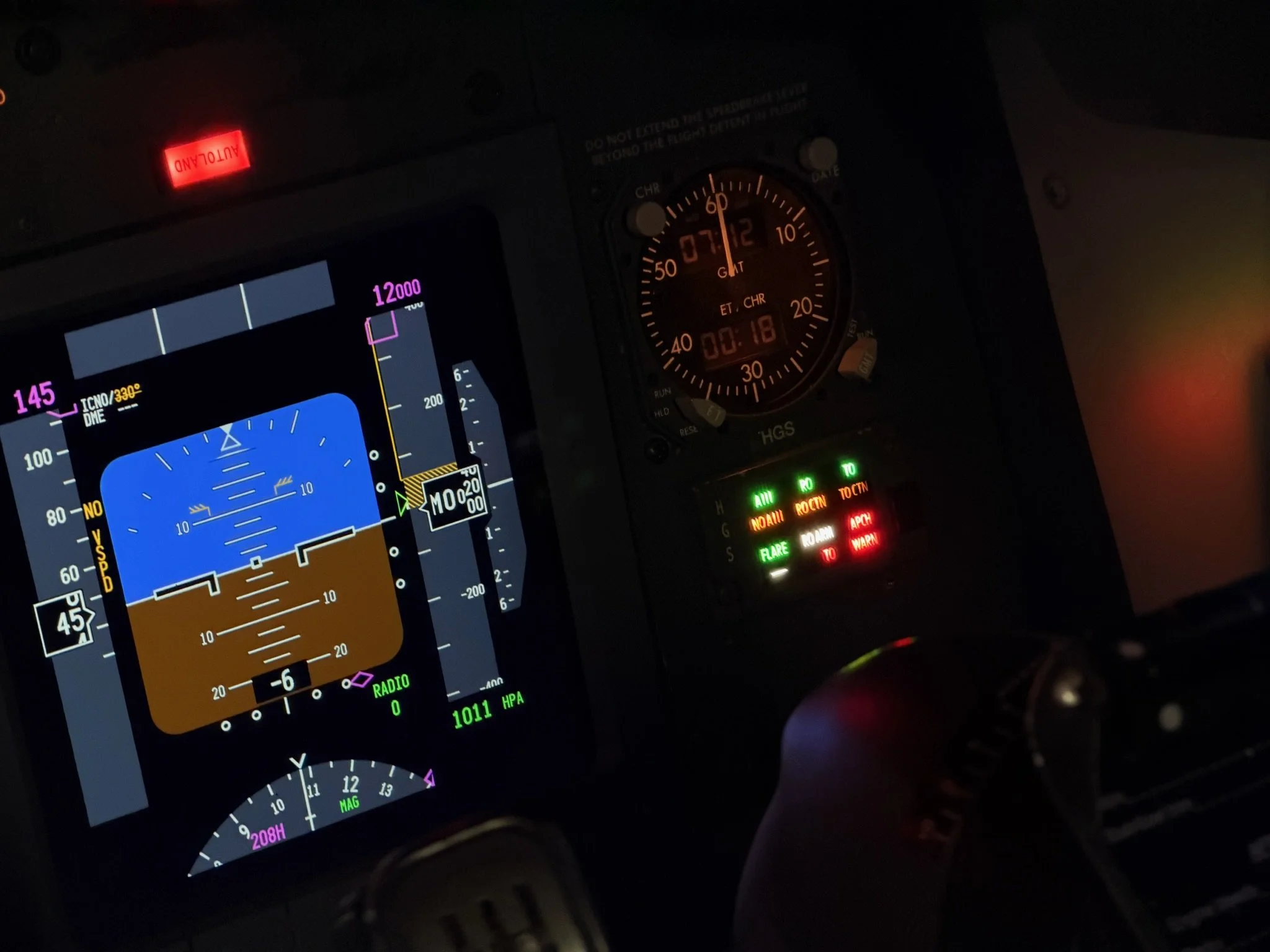
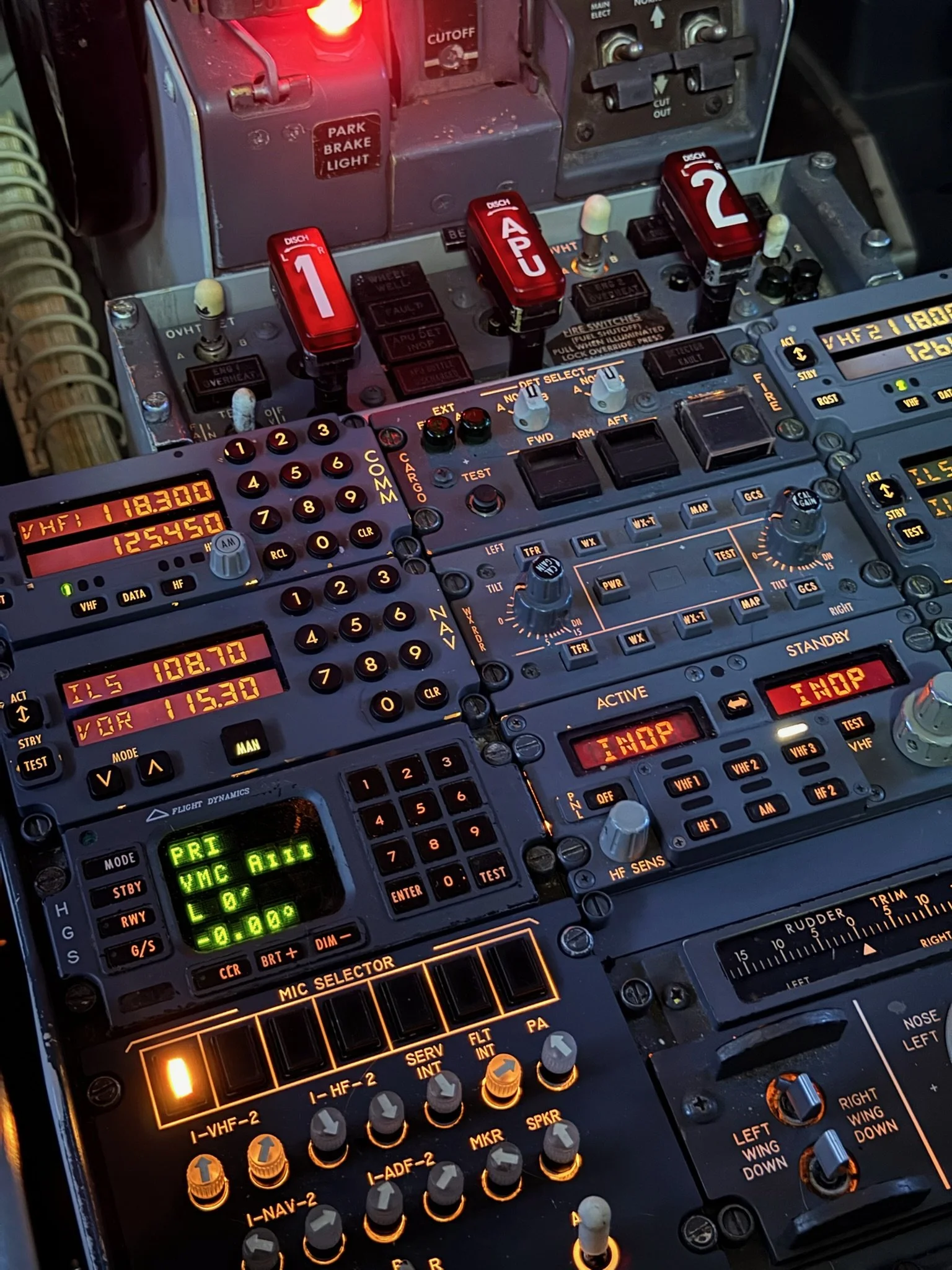
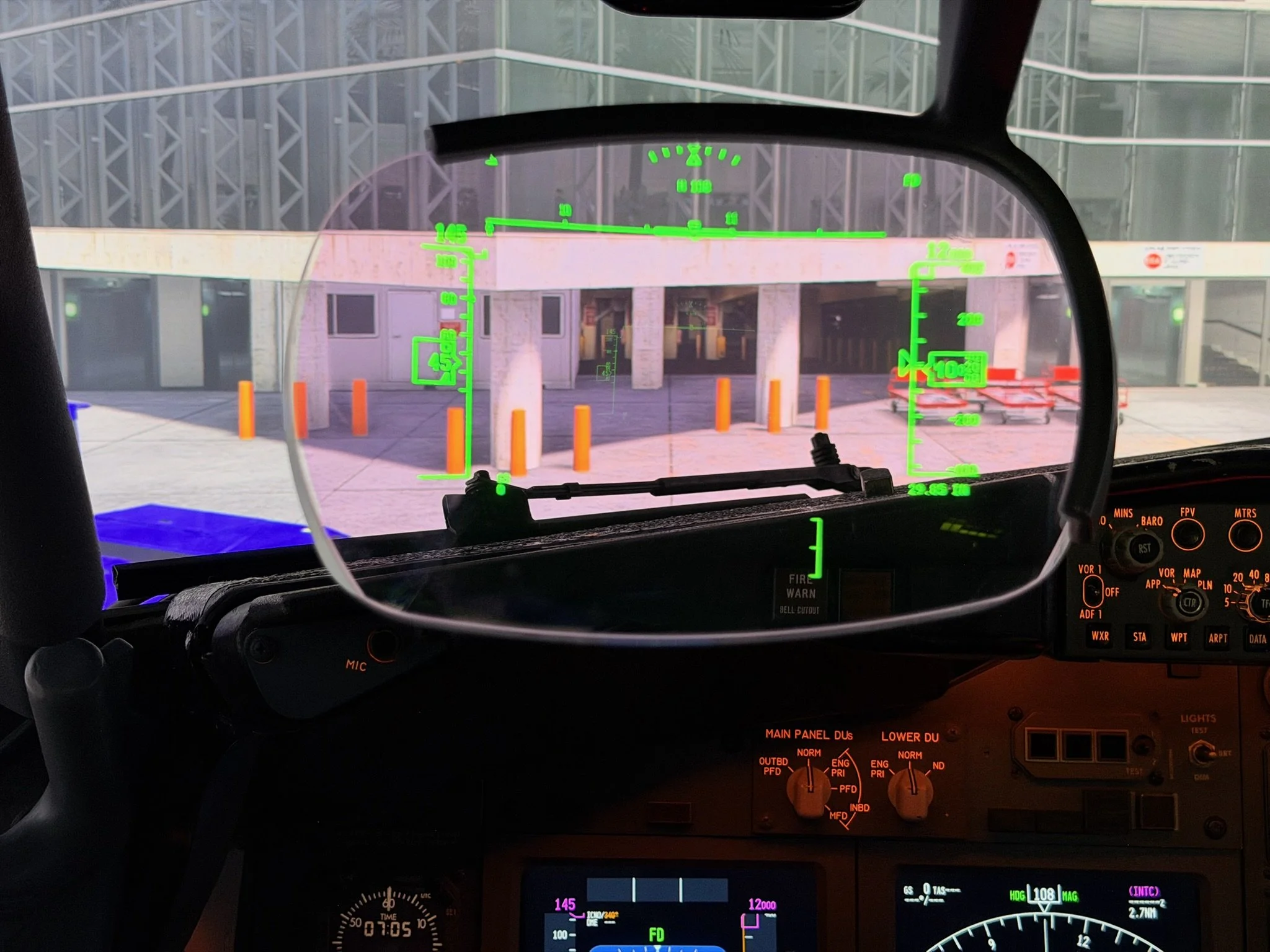
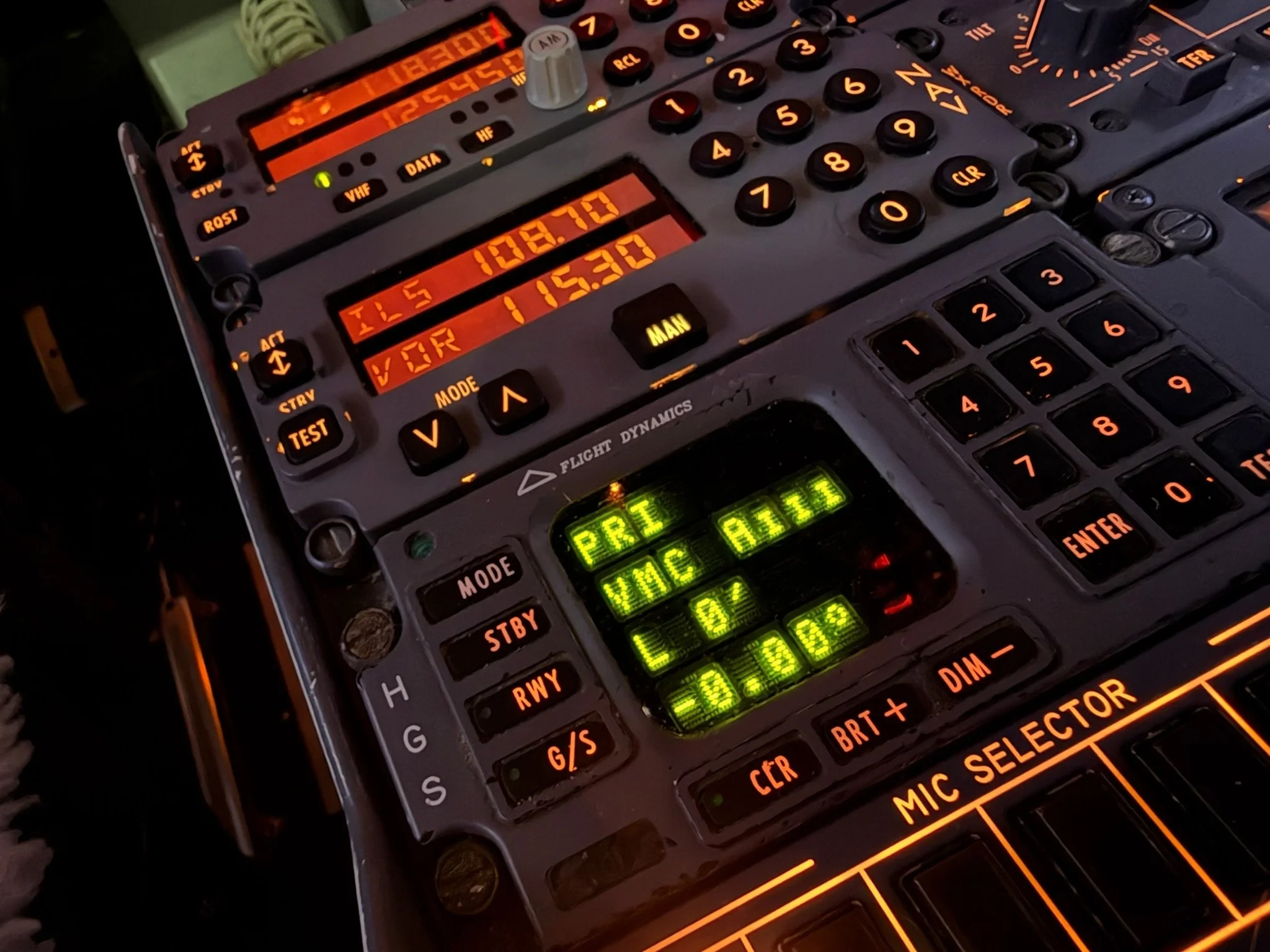
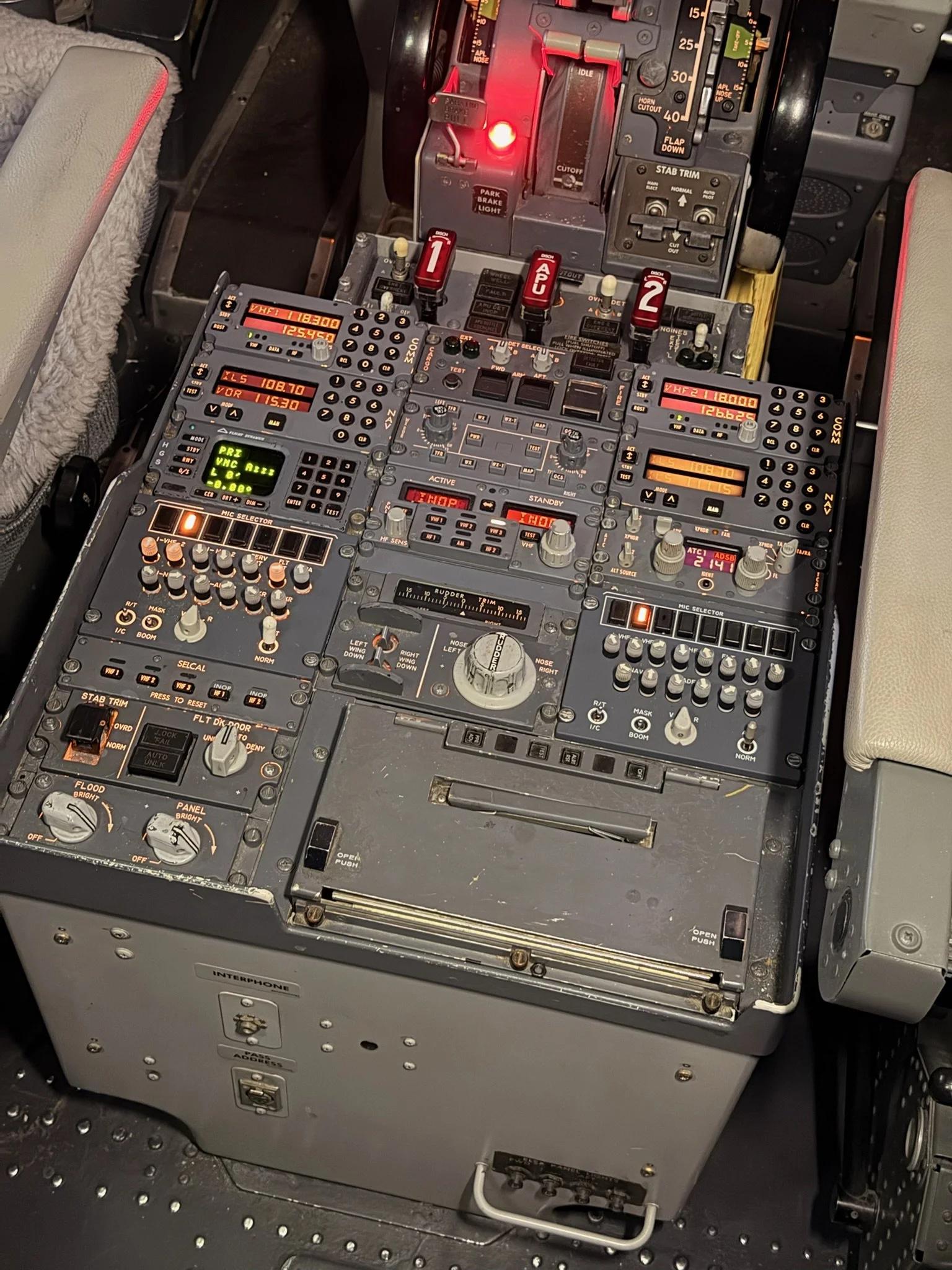
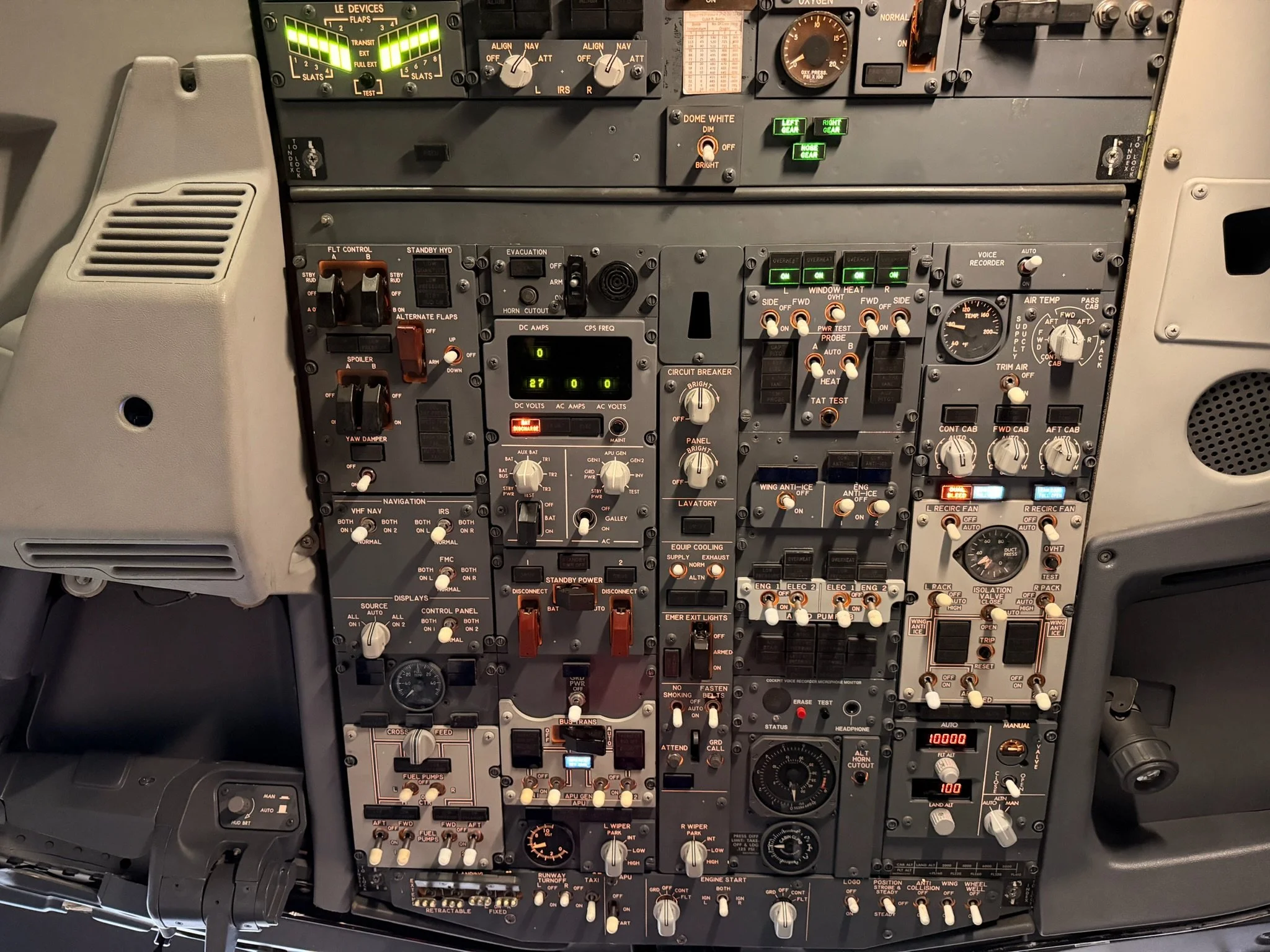
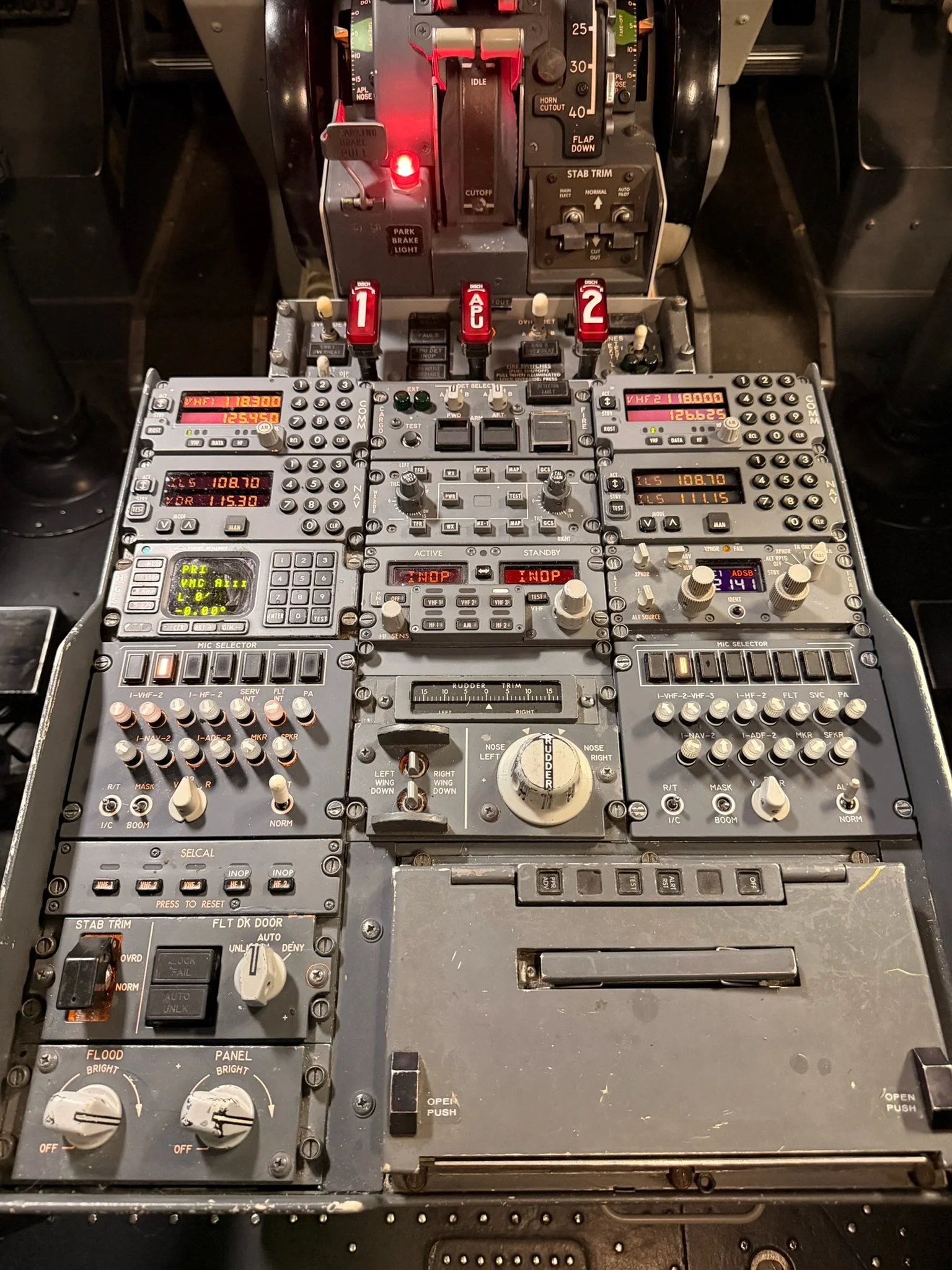
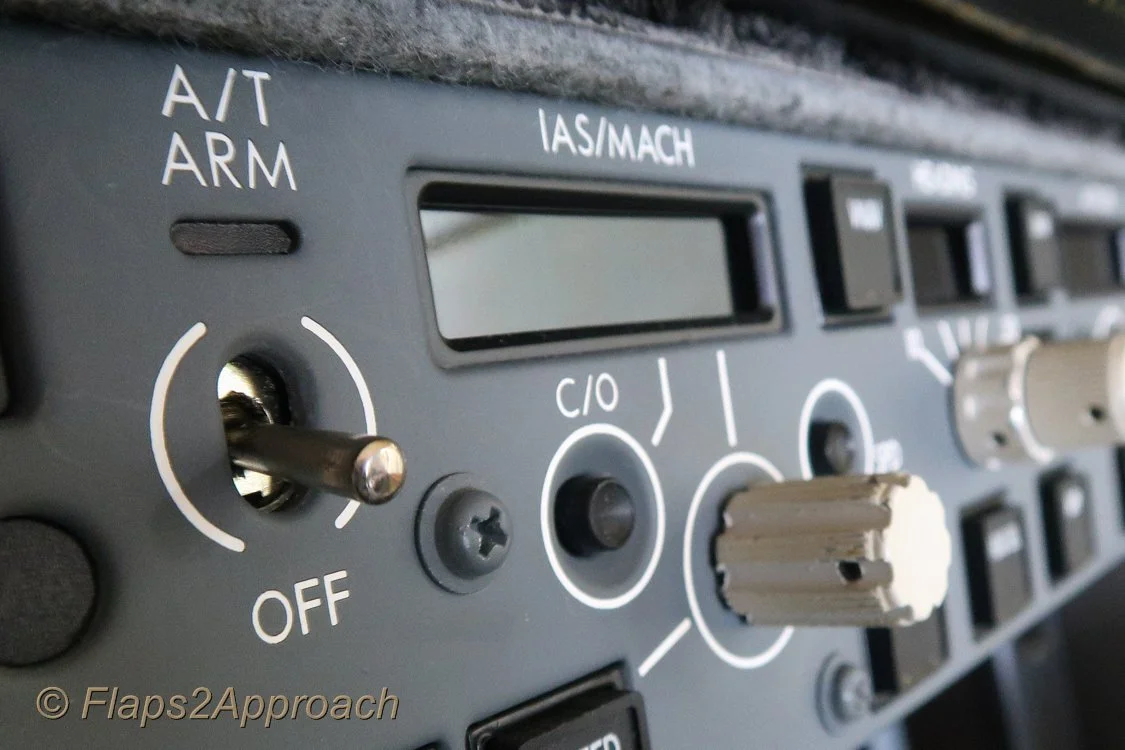
Orange County Sim uses Microsoft Flight Simulator for visuals and environmental modelling, while the ProSim737 avionics suite provides system logic, flight management, automated flight, and cockpit interaction. Nearly every switch, annunciator, and control surface is fully functional. OEM components have been integrated through custom electronics, the ARINC 429 protocol, and dedicated I/O modules, to enable the components to operate exactly as they would have in service.
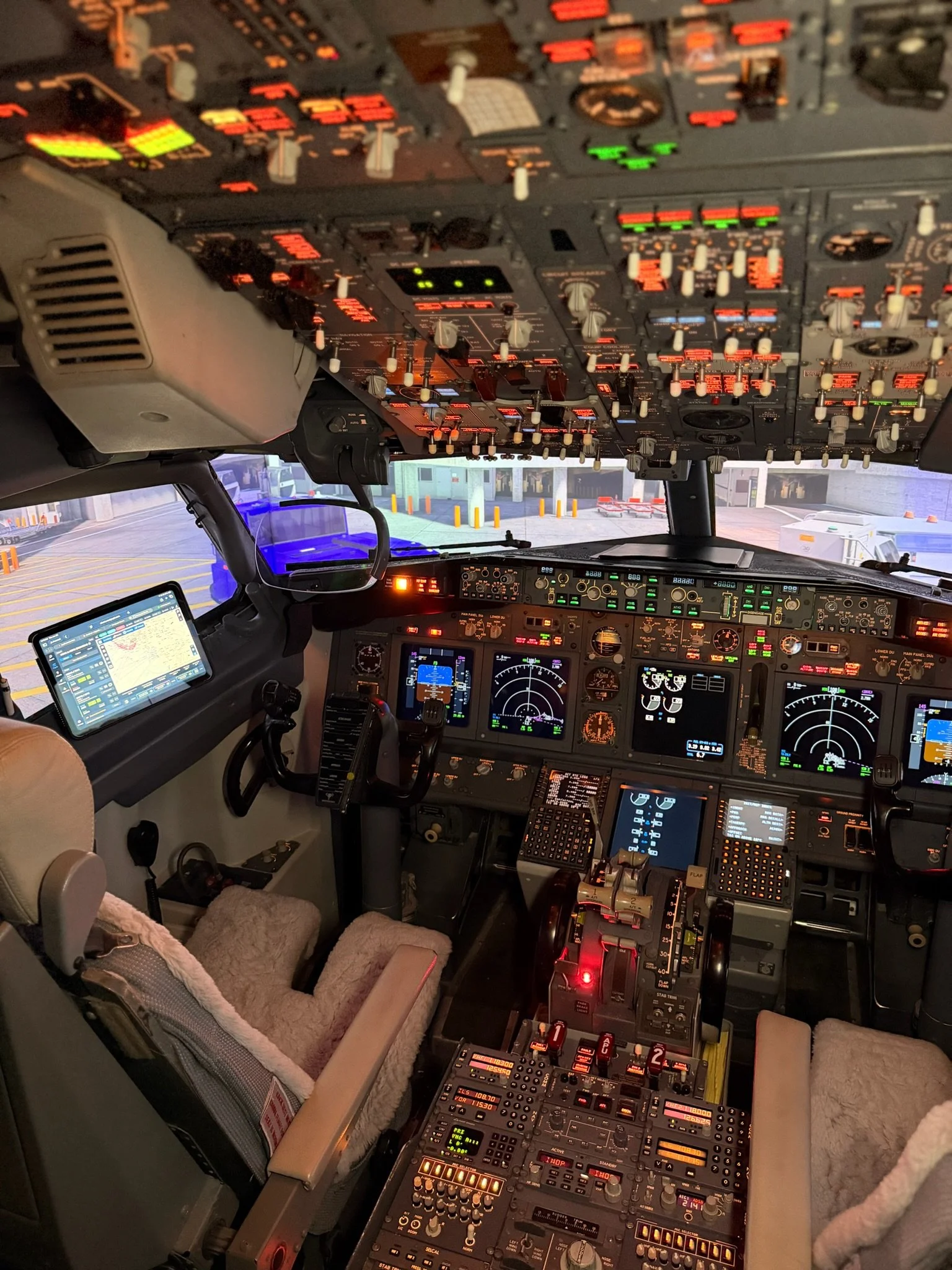
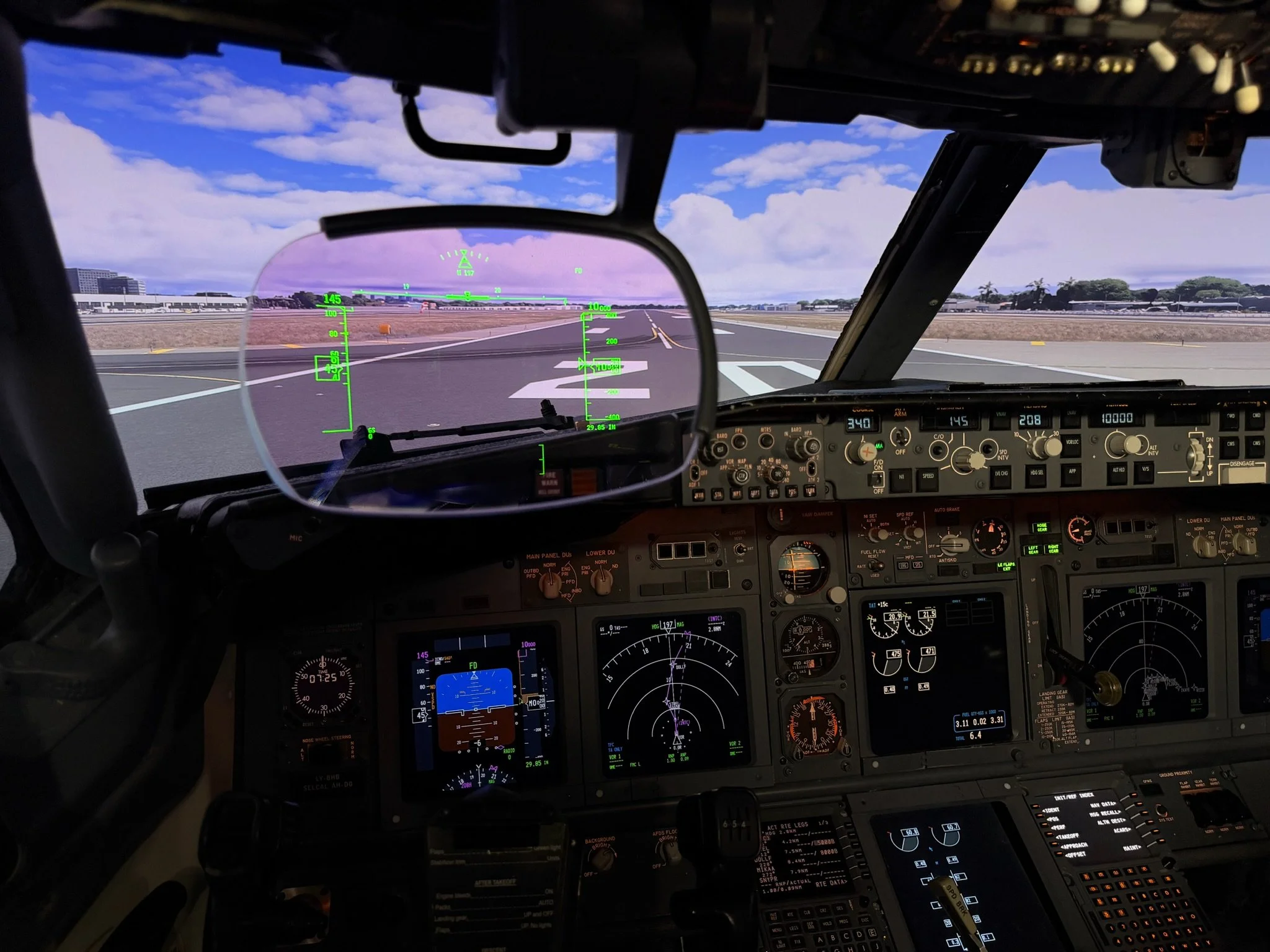
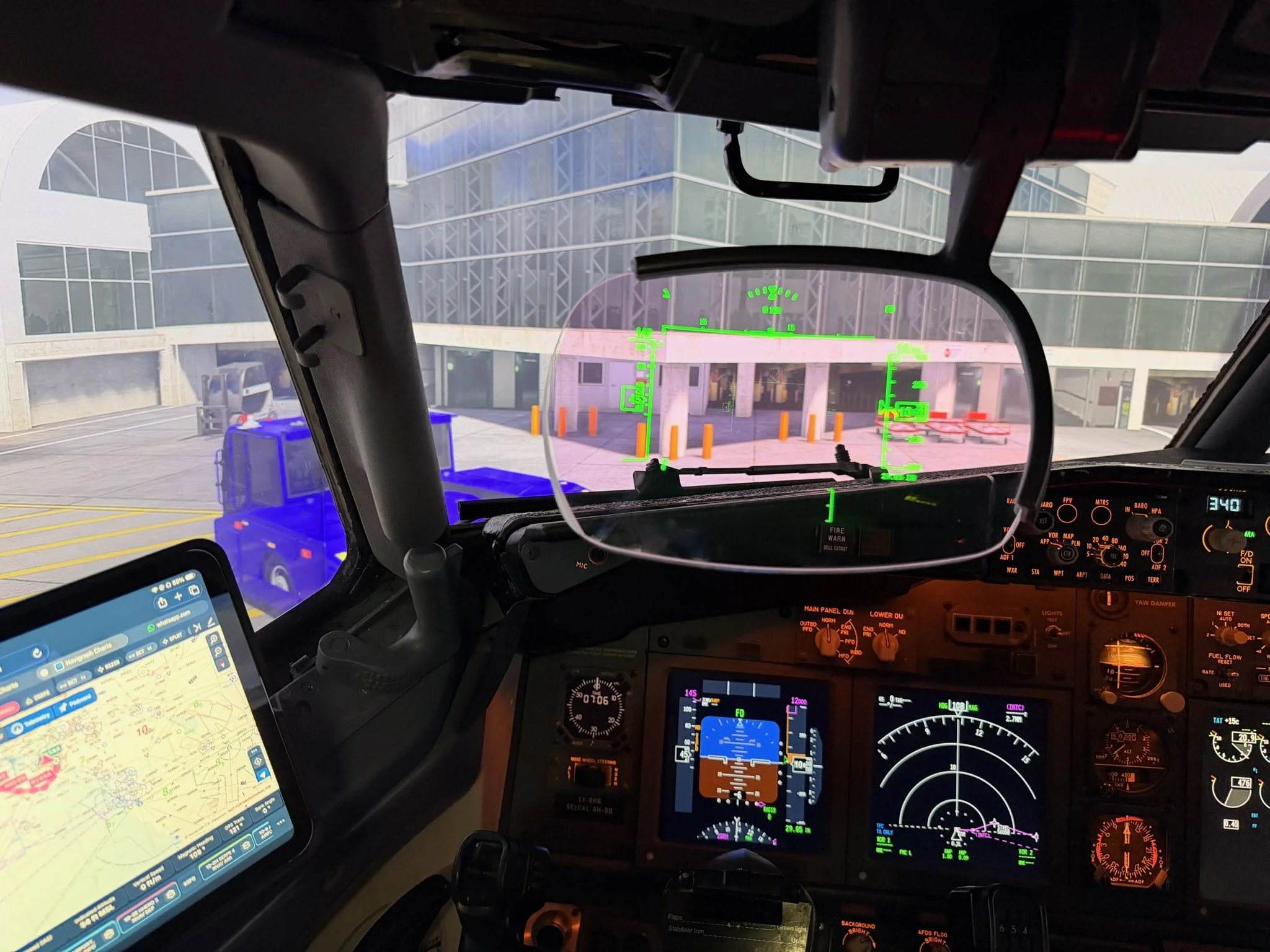
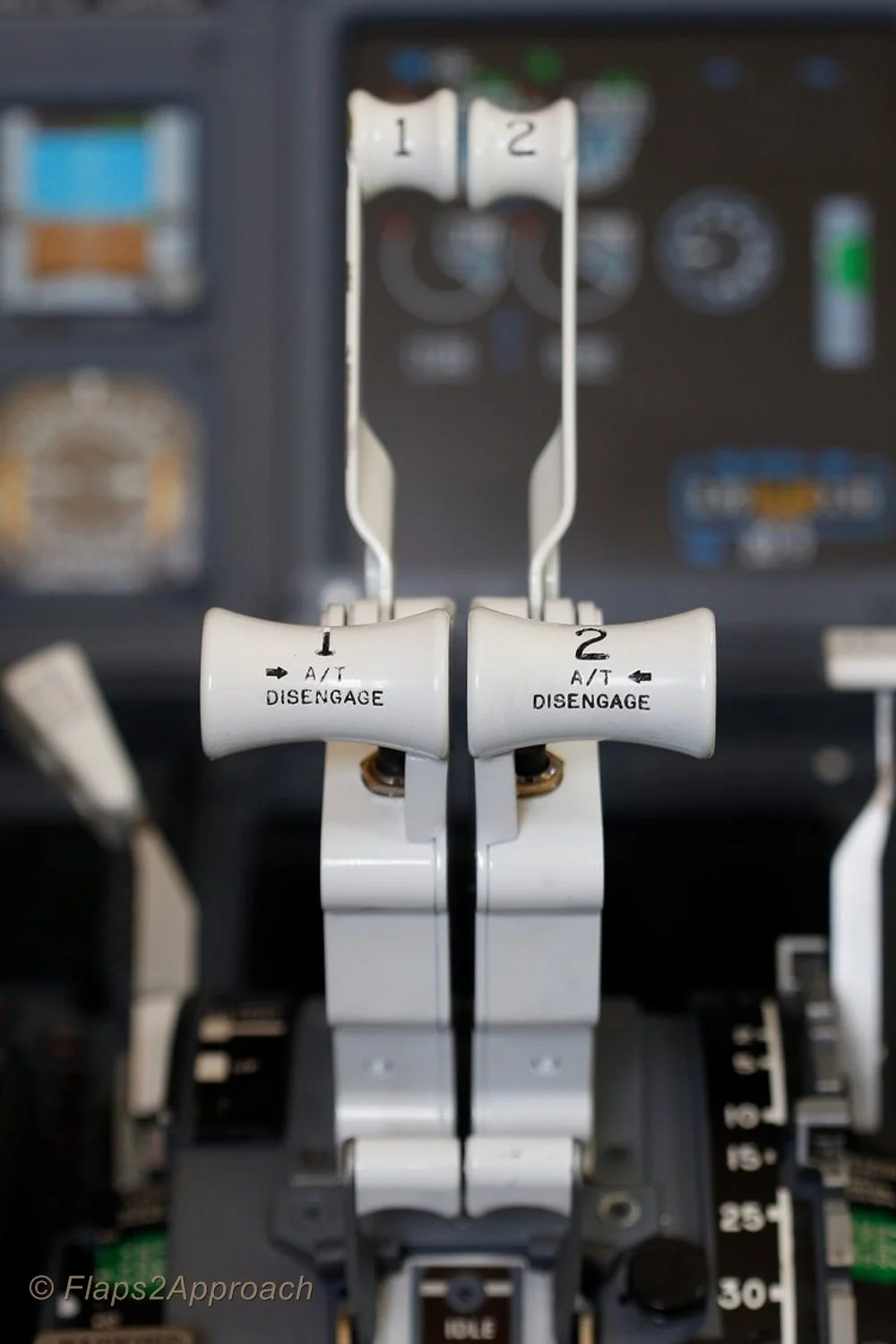
Although many components are standard to an airliner, several features stand out, namely the Heads-Up Display (HUD), the use of OEM EFIS units and navigation radios, the Next Generation 800 series throttle quadrant, and the late model CDU. Enhancing this further is Orange County’s privately developed force‑feedback system, which adds realistic control loading and response to the primary flight controls.
The only major element not implemented is hydraulic motion; otherwise, the simulator functions as a complete, full‑scale 737 flight deck. Its authenticity places it far beyond typical enthusiast builds and brings it remarkably close to the fidelity of a certified commercial training device.
Orange County Sim maintains a website, and it’s well worth exploring - for inspiration, for technical insight, and for a glimpse of what becomes possible when passion, engineering skill, and patience converge.
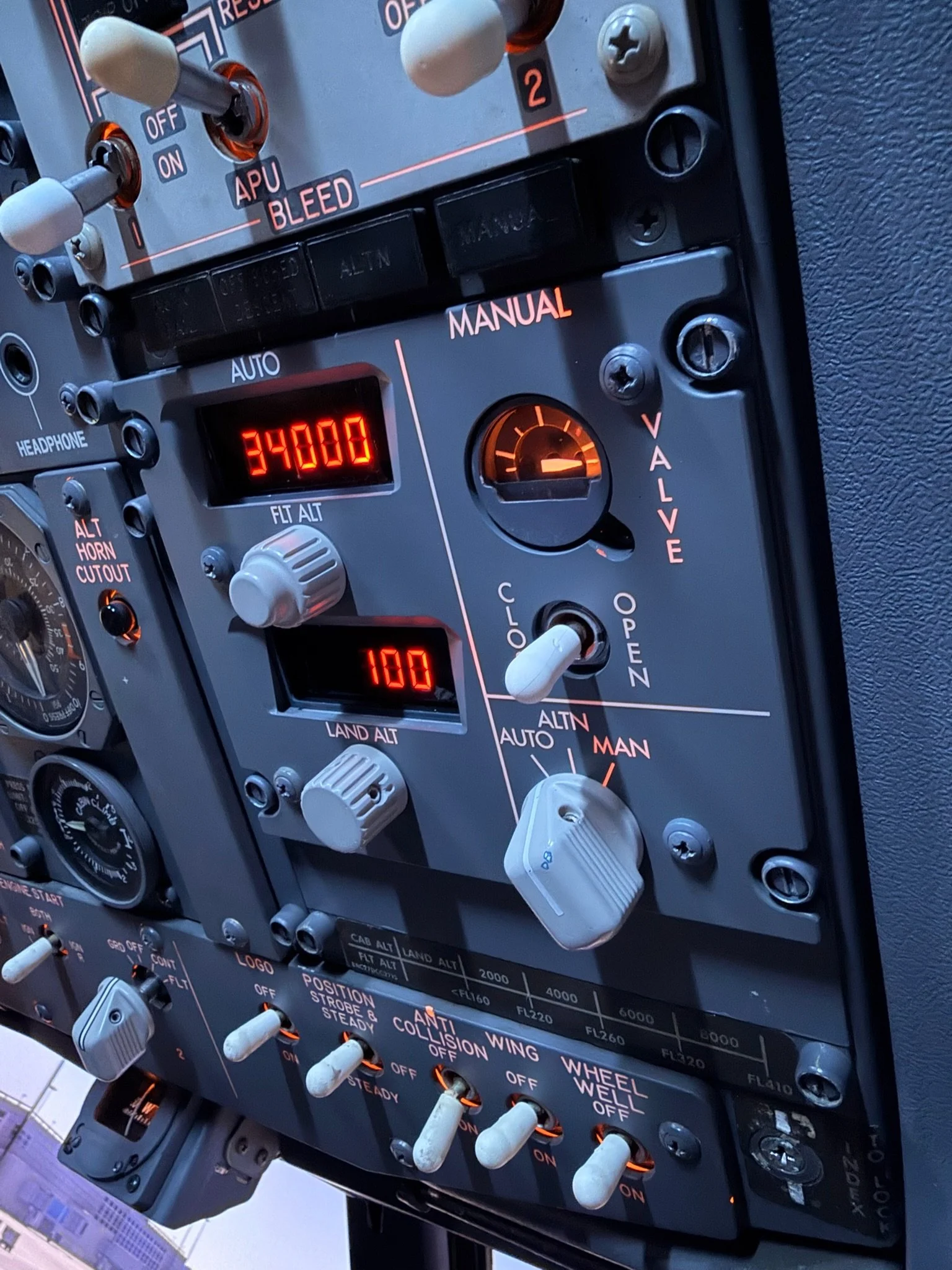
GALLERY: Various photographs of Orange County 737 Sim.